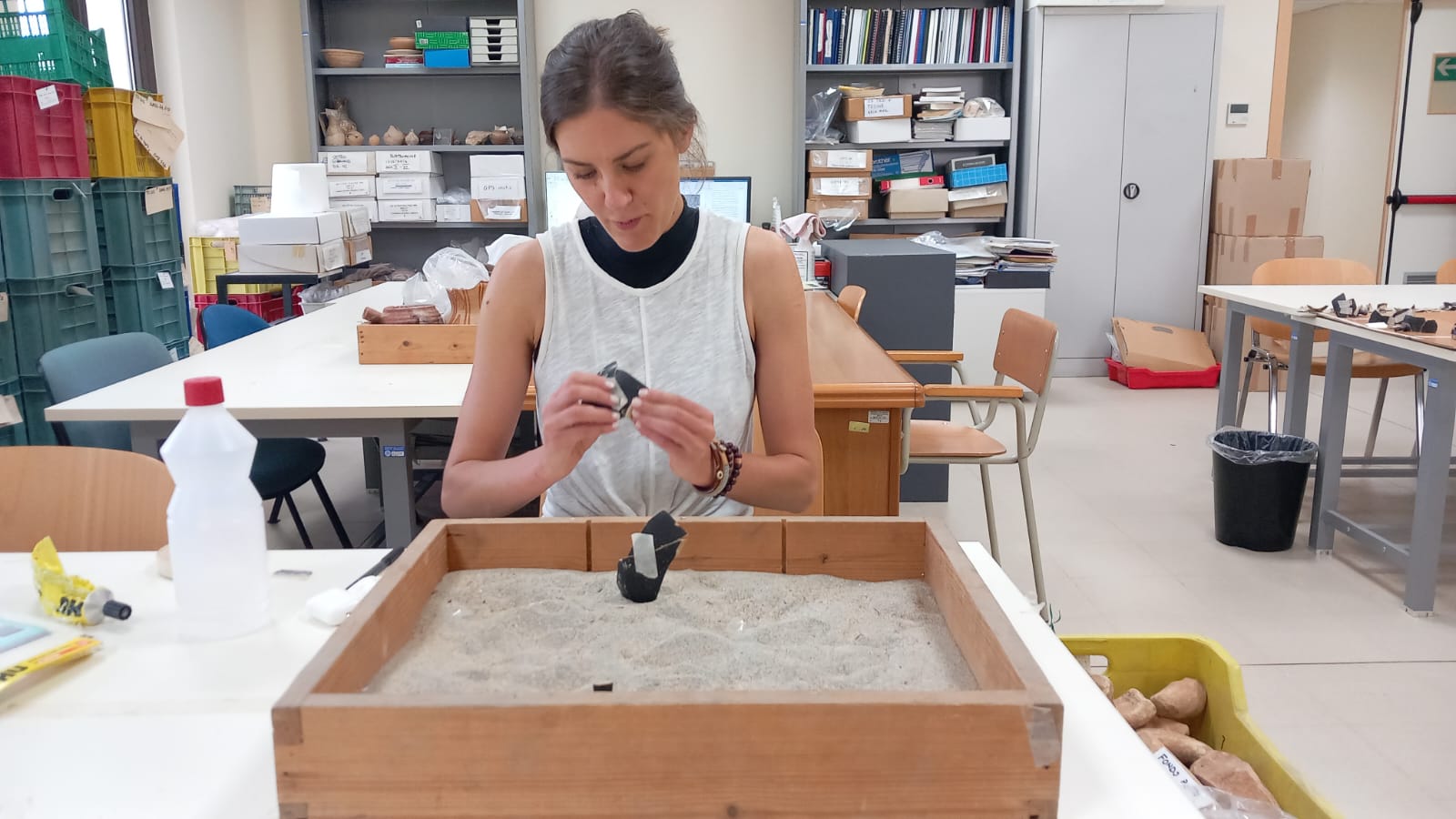
In September 2024, Art History graduate student Elsa Ballata traveled to England with her mother, who proclaimed herself Elsa’s research assistant, to research fan vaulting for her qualifying paper. Over the course of a week, Elsa visited six different sites around the country where she toured buildings and spoke with guides about the history of each location. She spent two days in the Oxford area visiting the staircase at Christ Church College in Oxford and taking a day trip to Gloucester to see the Cathedral and the famous cloisters. After finishing up her time in Oxford, Elsa took a train to London where she visited Westminster Abbey, the British Museum, and a number of other tourist attractions in the city. From London, she took days trips to Cambridge, Salisbury (and Stonehenge), and Canterbury.
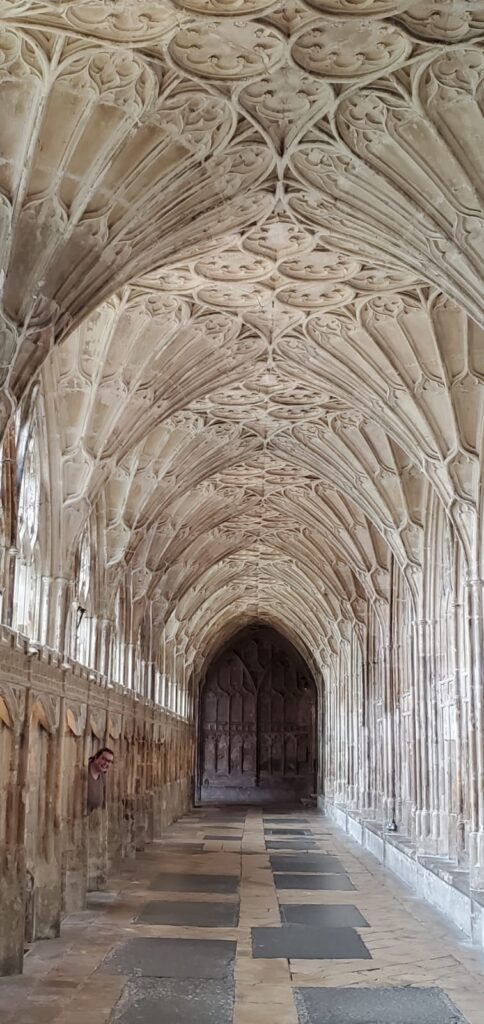
Photo of Elsa peeking out of a cloister stall at Gloucester Cathedral, her favorite fan vaults from the trip, built in the 14th century.
She spent time at each site she visited speaking with the staff about the vaults and history of the buildings, finding the staff to be as excited as her to be studying there. A couple of particularly memorable conversations she had were in Westminster Abbey, where she spoke to a priest before any other members of the public were allowed in the chapel, and with an amazing guide in Canterbury, who spent the week before her arrival researching fan vaults himself so she could ask more questions. It was an amazing experience for Elsa, allowing her to be in the spaces she was studying in person and take notes about details that photos online rarely manage to capture.
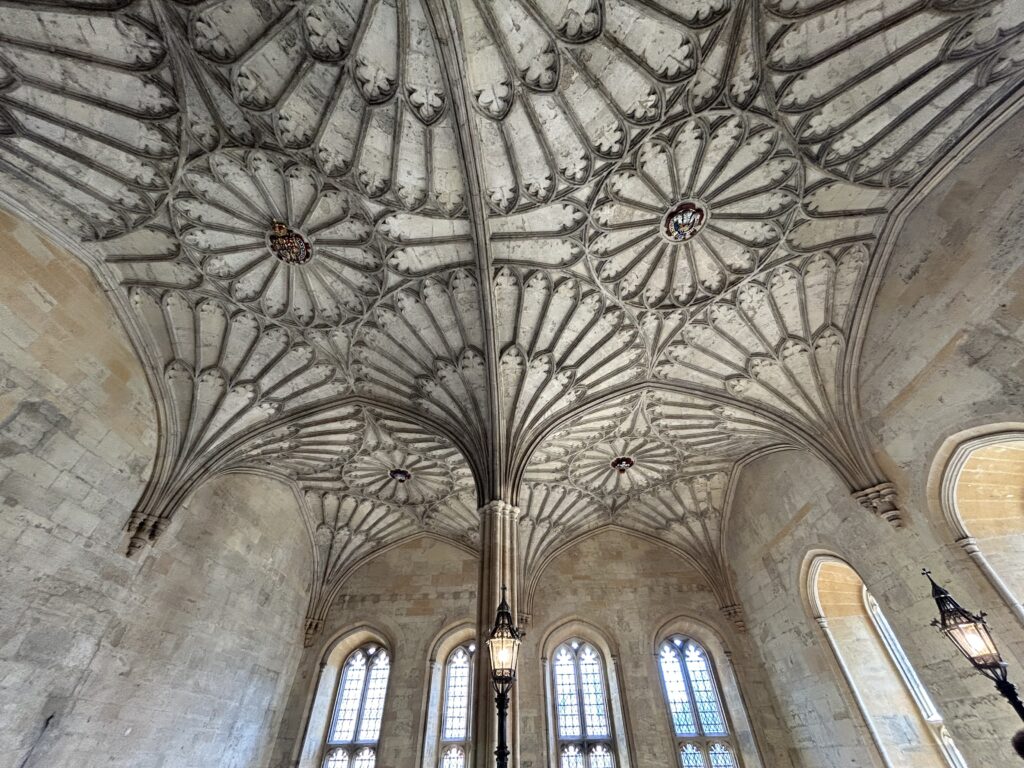
Great Hall Staircase vaults, Christ Church College, Oxford, 17th century.
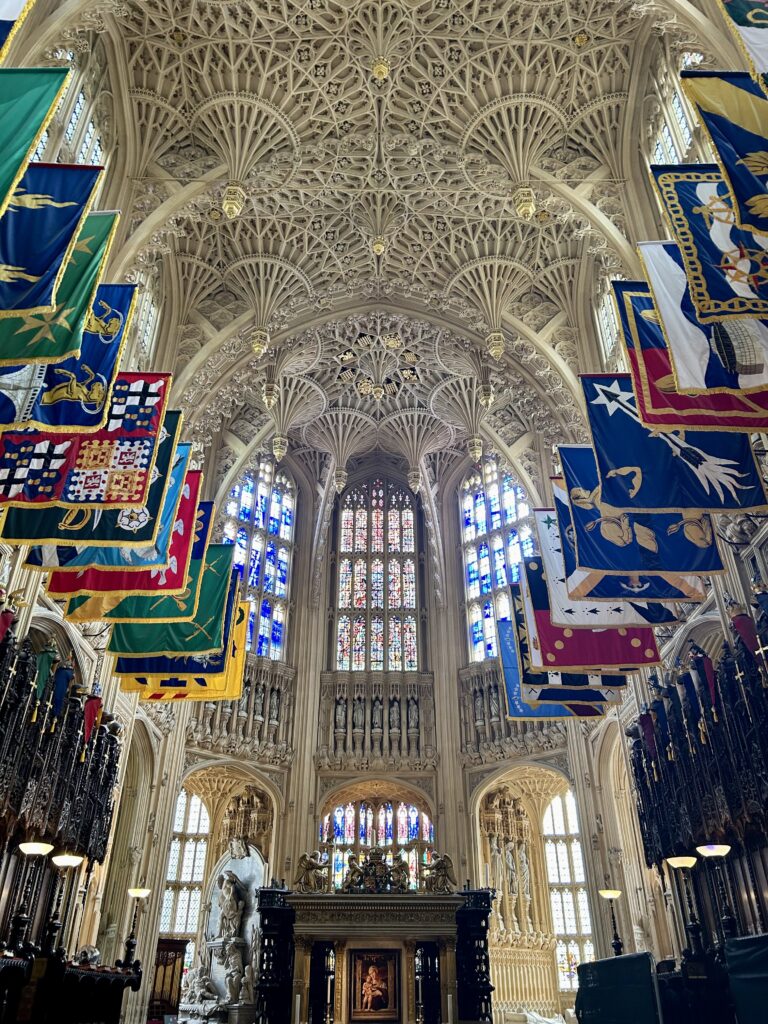
High vaults of Henry VII’s Lady Chapel, Westminster Abbey, London, early 16th century.
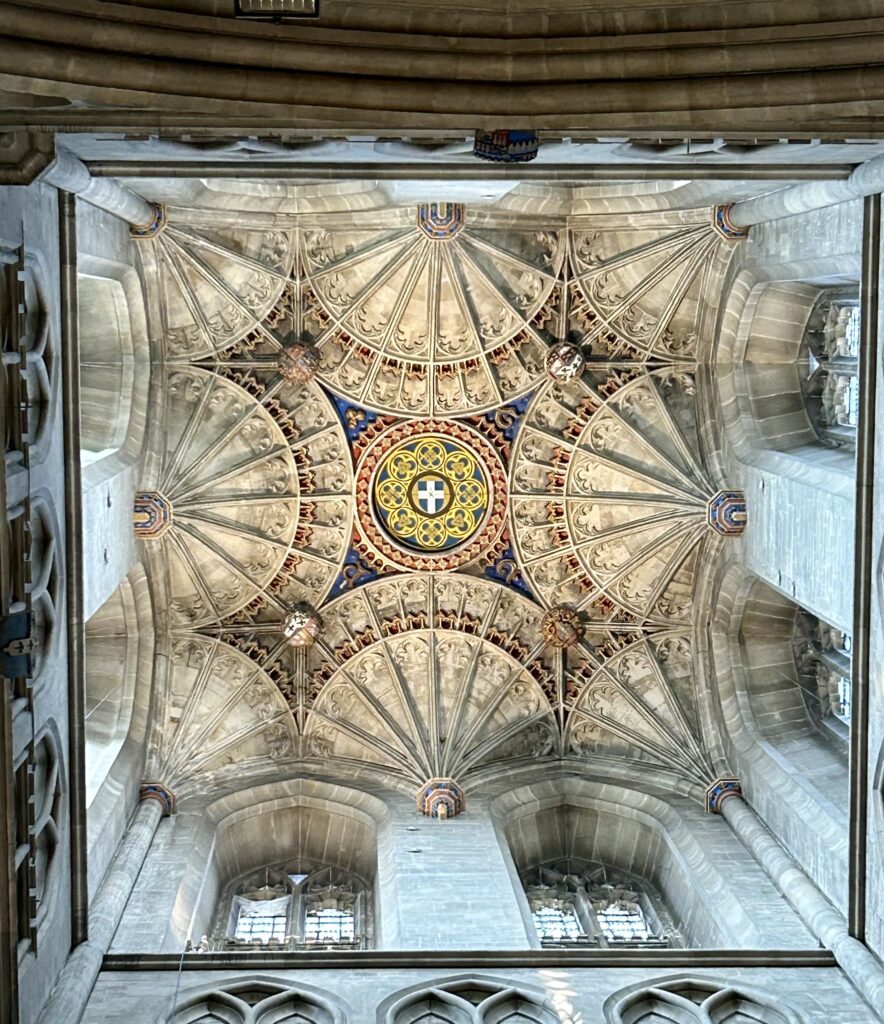
Bell Harry Tower vaults, Canterbury Cathedral, late 15th/early 16th century.

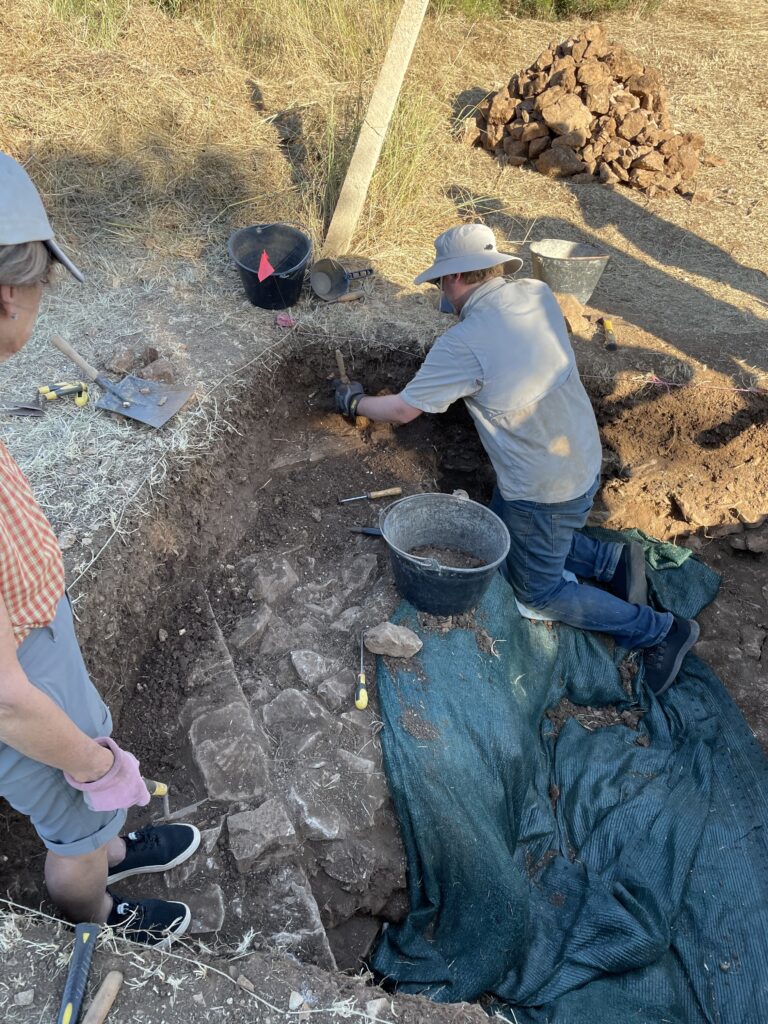
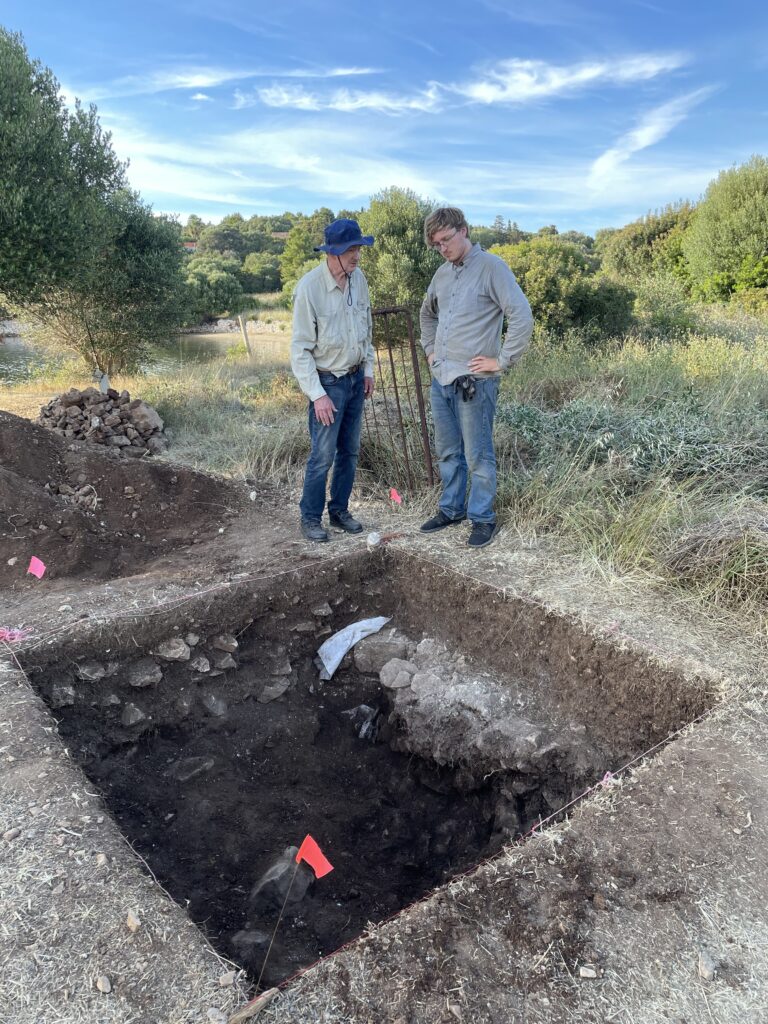
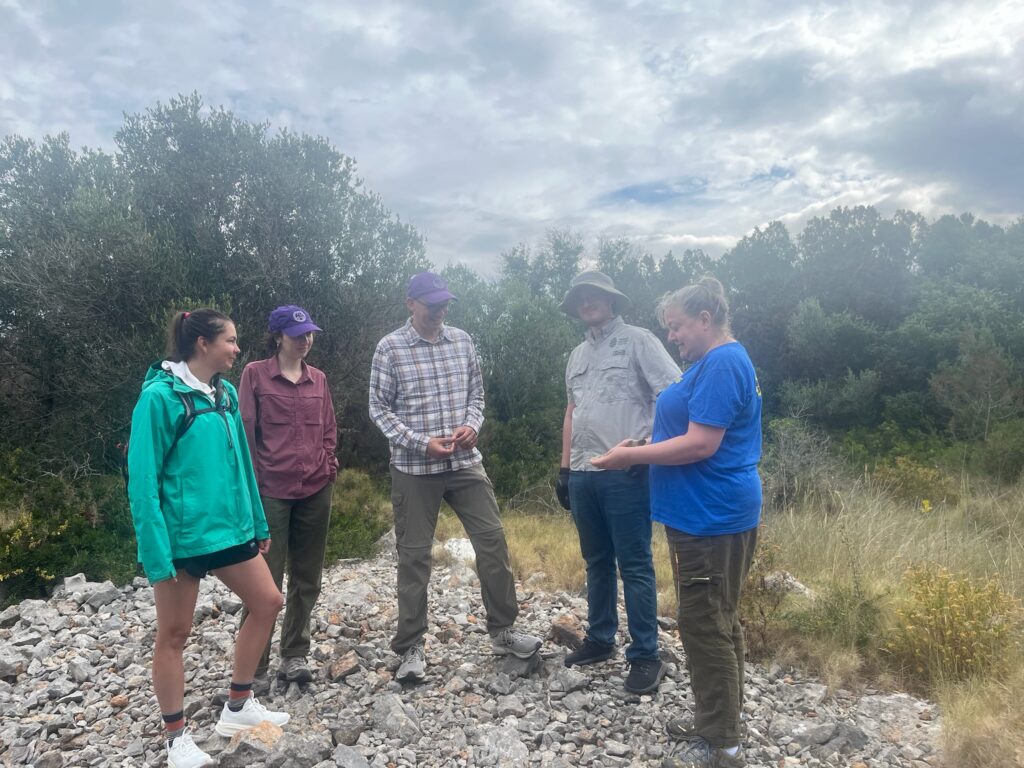 The project’s initial stages involved setting up the excavation site and estimating the location of the old Roman wall. The located wall was in much better condition than expected – walls from the early Roman period are usually better cut than those from later periods and were almost always repurposed for other structures. Excavation continued to the lower layers where the digging ran close to bedrock and the wall’s foundation could be identified, which took most of the remaining time that had been allotted for the dig. The excavation team had other projects running alongside the primary excavation, which members of the crew assisted with as needed.