Field Trips! – J-term Abroad: Roman Structures, Engineering & Society - Page 9
Browsing Category

Field Trips!

Field Trips!

Is it a Colloseum or an Ampitheater??

Hello Everyone! I am Mitchell Allen, a sophomore computer engineering student from Rochester, Minnesota. Day 2 of ENGR 271 was full of adventures that were both fascinating and educational. The day started early with a surprisingly tasty hotel breakfast that started at 7am (midnight back home) that included orange juice, muffins, croissants and much more. Our Italian guide Claudio set up a tour for the Coliseum. Big vans were waiting for us outside the hotel which were situated so that three people are sitting facing another three, which was new for us.
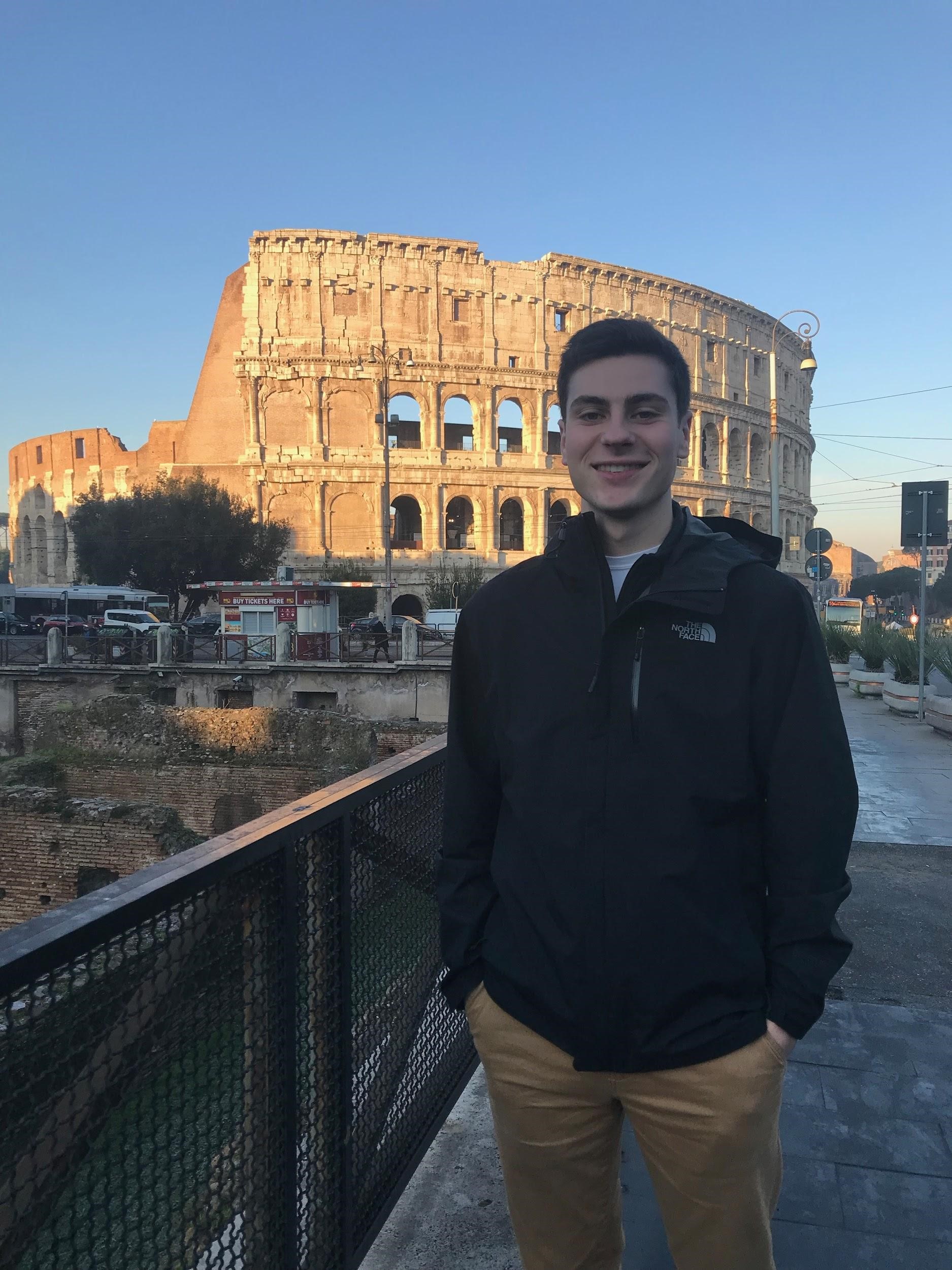
 

Mitch standing in front of the Colloseum looking suave per usual.


After arriving, Claudio gave us a summary of the surrounding area which included the Coliseum and also a gladiator training school named Ludus Magnus (big game). The school is the only one of its kind that was attached to the Coliseum directly underground. The tunnel is no longer functional.


Before the official tour, Claudio gave us a little lesson on the Greek influence on the outside makeup of the Coliseum. The columns, going up, are each different types of Greek columns.  On the lowest level, the Coliseum sports Doric columns, which have flat tops. Above, Ionic columns are added which have two volutes on the top. Finally, the top two columns are Corinthian style, which are more intricate and spiky.

What’s left of the former gladiator homes just outside of the Colosseum.
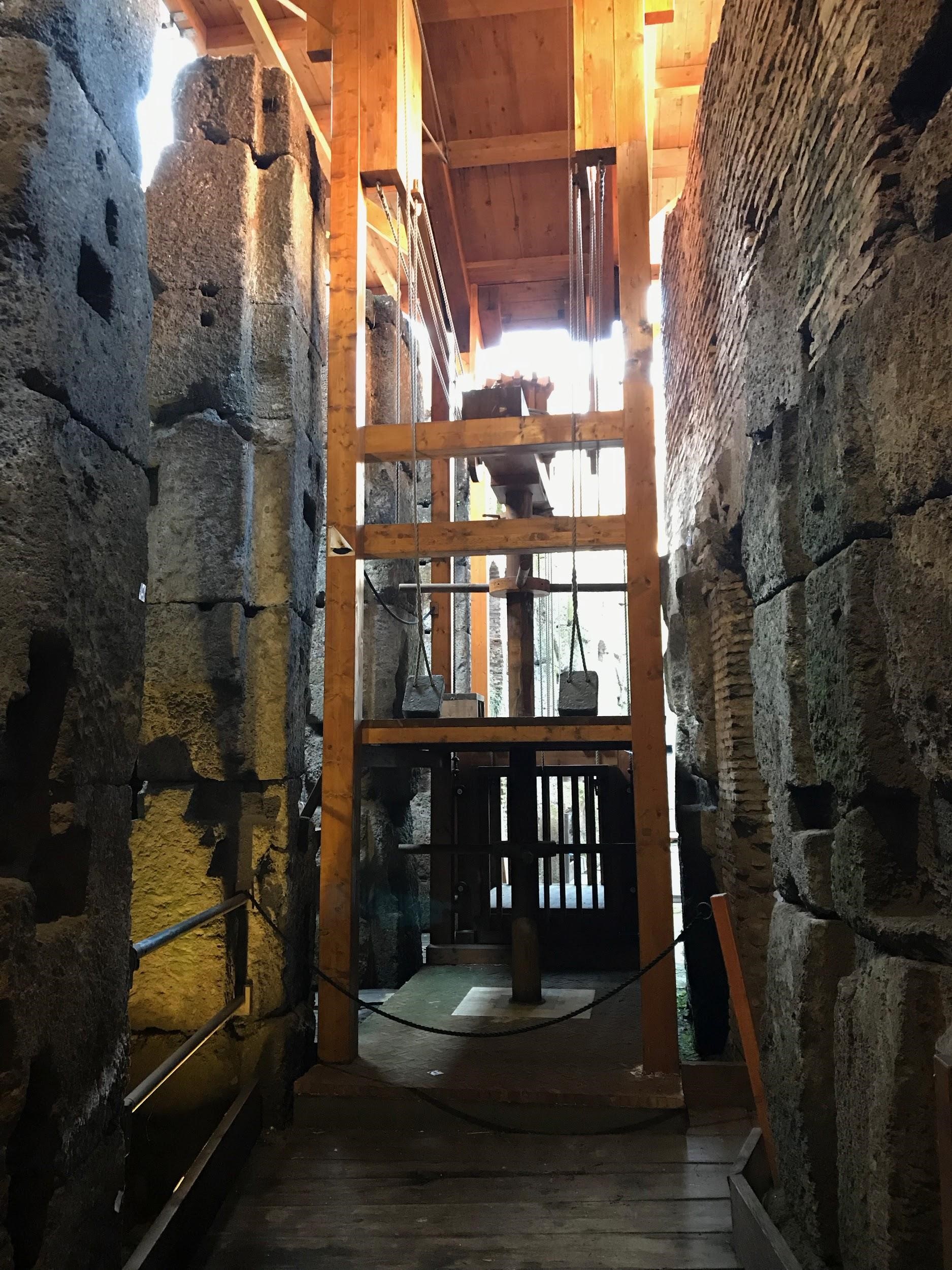
 

This shows a reenactment of what the ancient romans used to raise people to the floor of the stadium. What a lot of people don’t know is that there was actually a tunnel system under the main combat floor. Slaves would work below and feed the animals and prepare gladiators.


We had to split into two groups to go to the tour and I ended up being in the second group.  While the others were taking the tour, we were free to explore. We went to the top of a nearby hill (we later learned it was called Palatine Hill) which had pretty trees and a church on top.  The church, which was open to our surprise, was pretty and had crosses for sale which we picked up. We then made our way back in time for the tour. The tour required wearing earbuds connected to a walkie talkie from the tour guide so that she could be easily heard. The tour was spectacular and informative. One thing I found interesting was the amount of engineering that took place below the fighting stage. There were many elevators underneath the stage that allowed for gladiators or wild animals to be lifted vertically onto the stage for the onlookers to enjoy. These elevators were normally powered by slaves operating a winch.
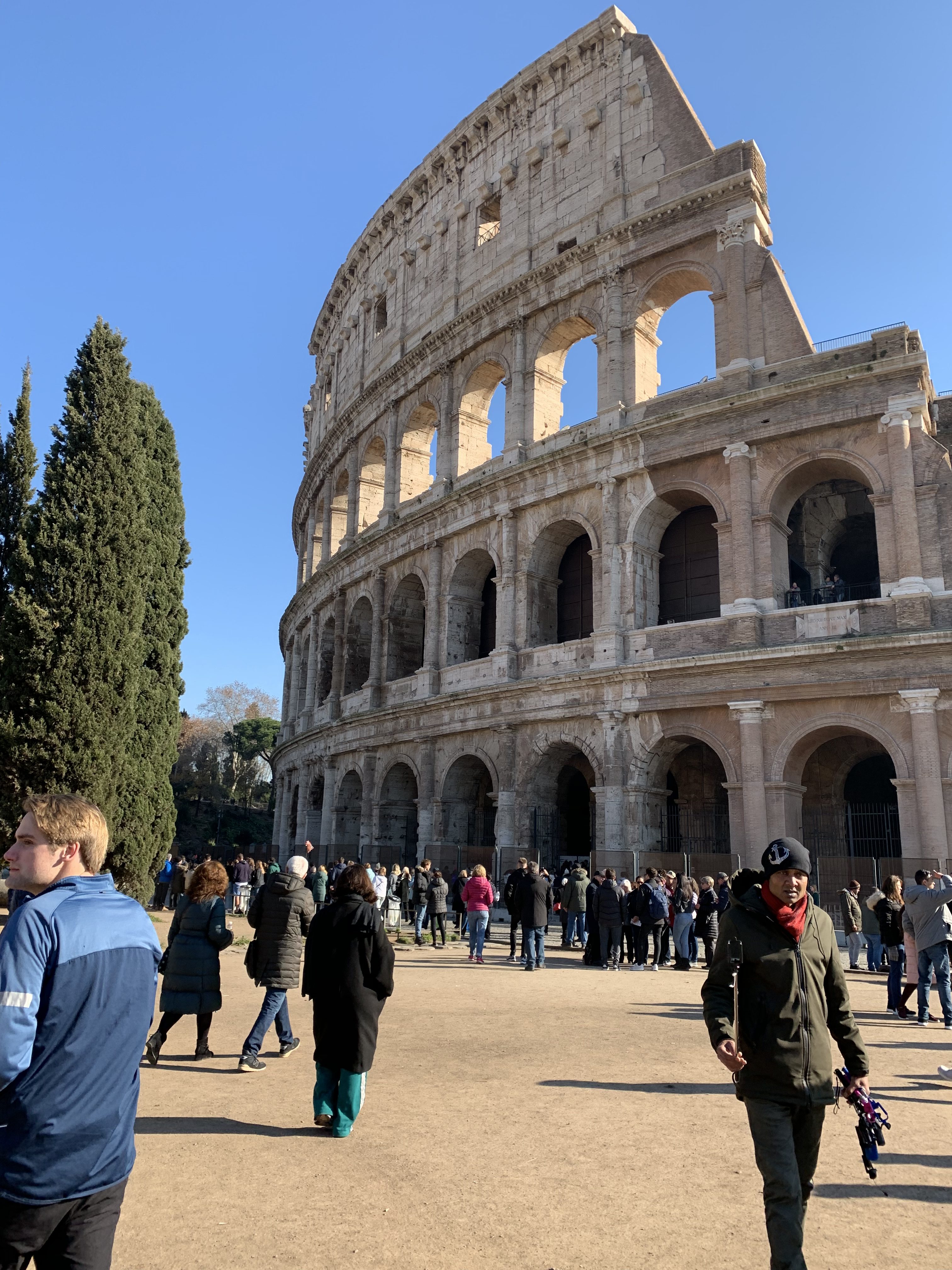
an exterior shot of the Colosseum, or at least what still stands. This is the only remaining exterior of the building and is constructed of a special rock taken from local Roman mines.
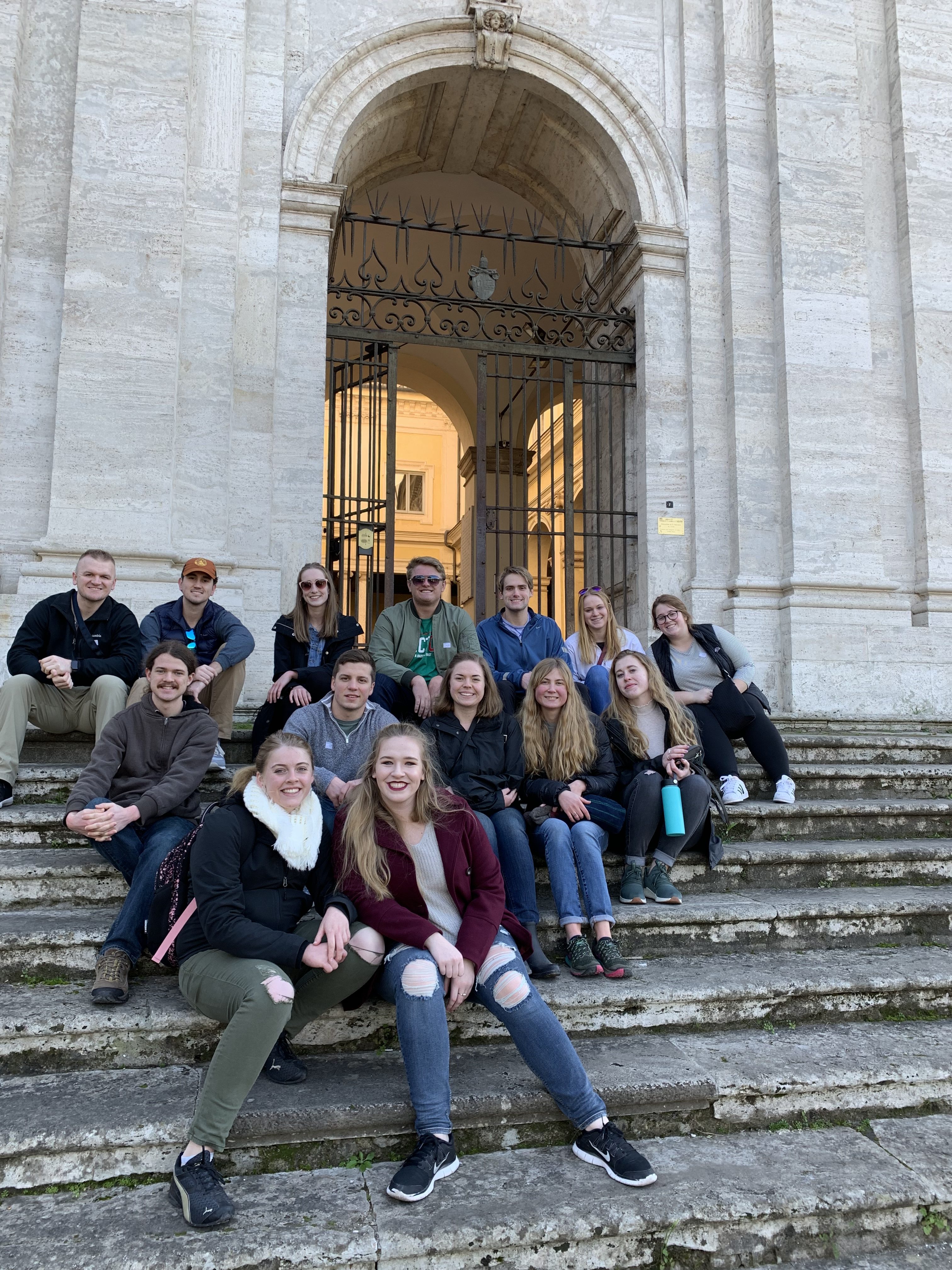
Just a few of the engineers taking a much needed break in front of one of the millions of Roman churches.


After making our way through the tour to the highest level of the Flavian Amphitheatre (the official name), we had the opportunity to observe the magnificent view of not only the whole Coliseum and also of Rome.

The adventure didn’t stop after the tour ended. We still had to navigate back to the hotel through the metro system. We were given directions at the beginning of the day and managed to follow them flawlessly to the correct destination, which was steps from where we were staying.  Roman public transportation is not bad!

Professor Besser had a debrief session planned for us after arrival where we went over cultural differences between America and Italy. Then, we walked to an Italian language lesson. We got to learn how to ask important questions such as “May I pet your dog?”. Italian is very similar to Spanish, which made it fun and easy to pick up.  I can’t wait to see what the rest of the trip has in store! Ciao!

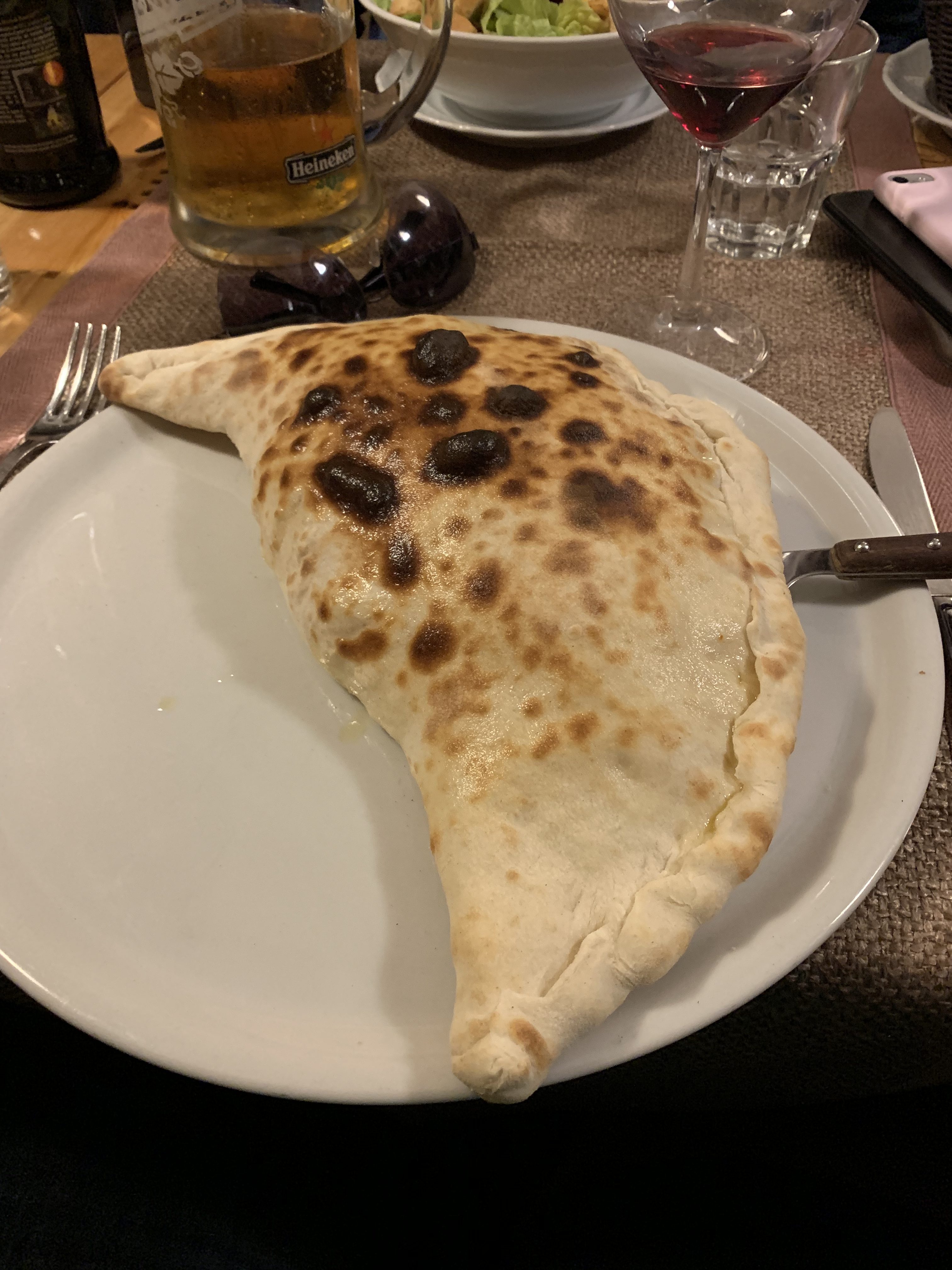
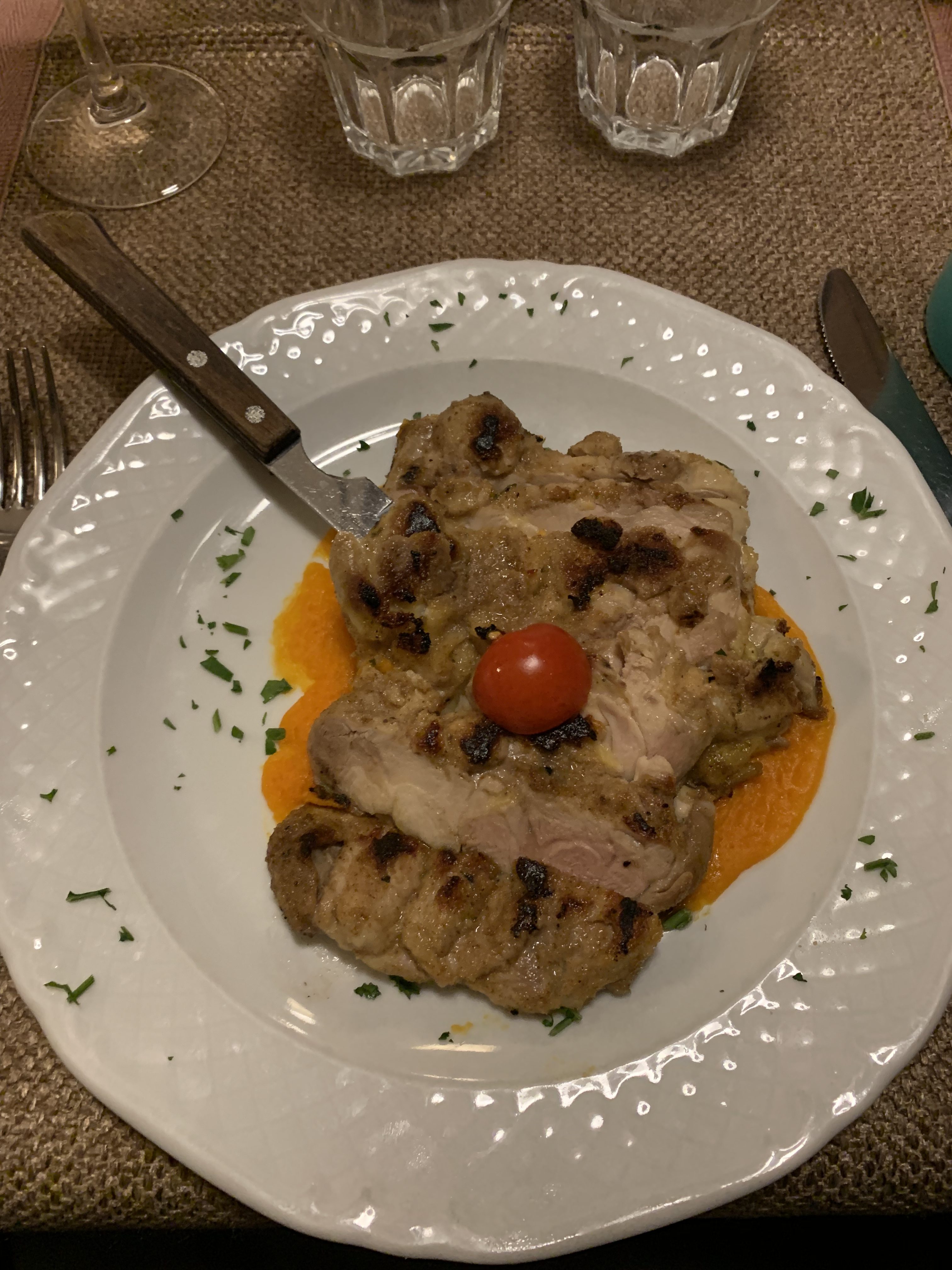
For those of you who love food, I thought I would take the chance to post some of our pictures from our meals. Be warned this food is very good and may lead to you wanting to travel to Italy. Also, we would love to share pictures of the different wines made in Italy but, not much changes visually from red wine to red wine. They mostly look the same. Enjoy!
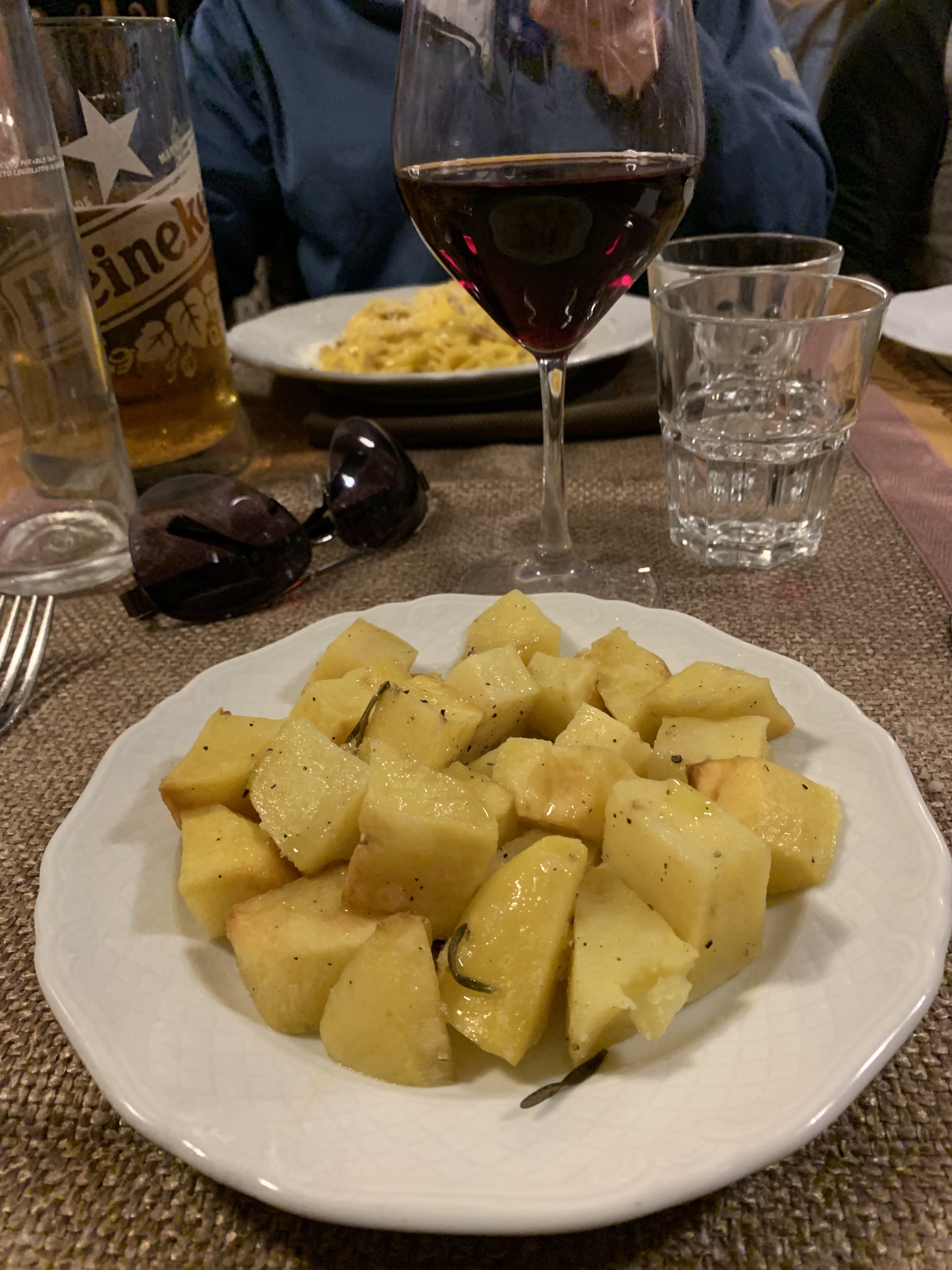
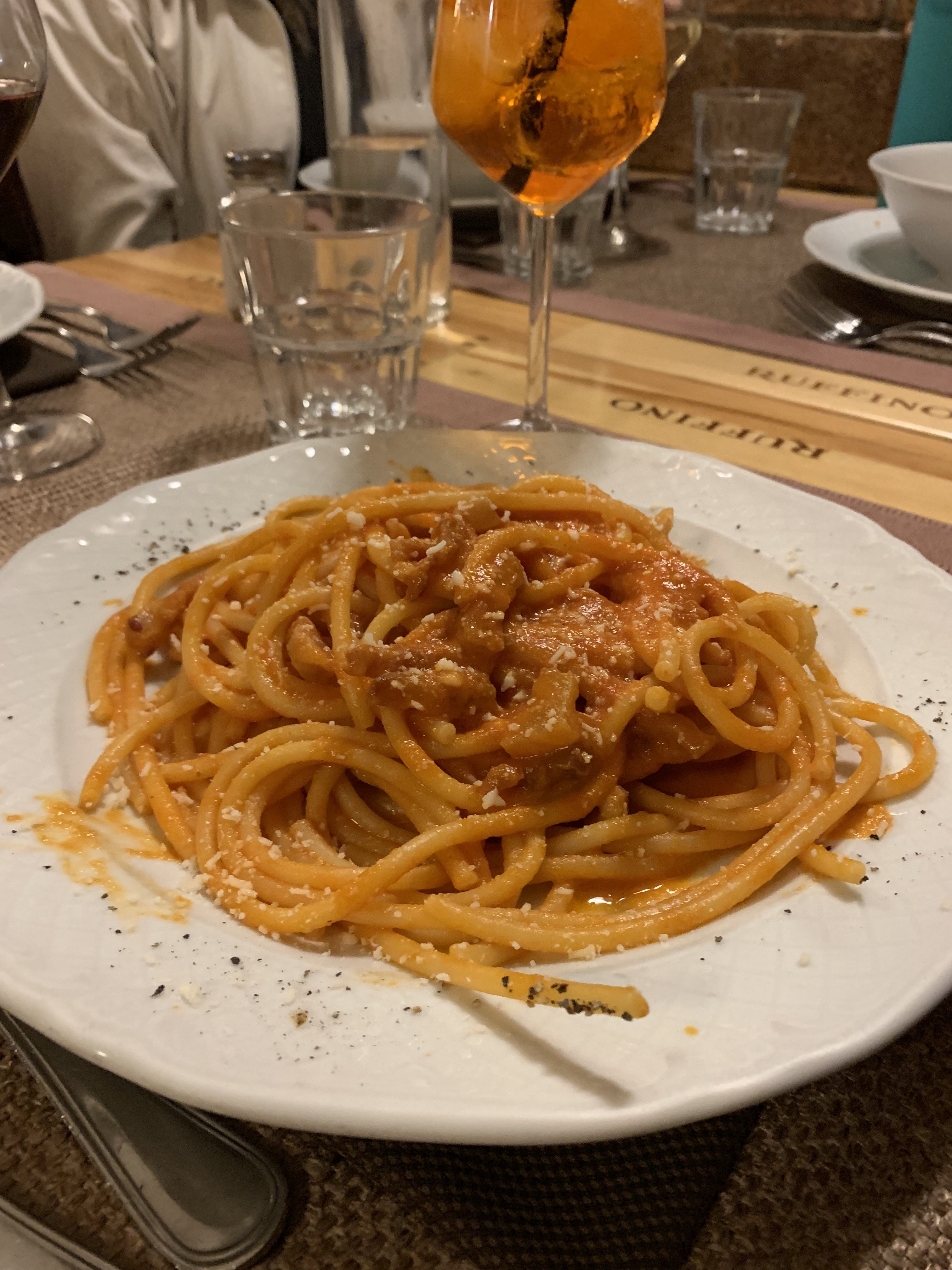
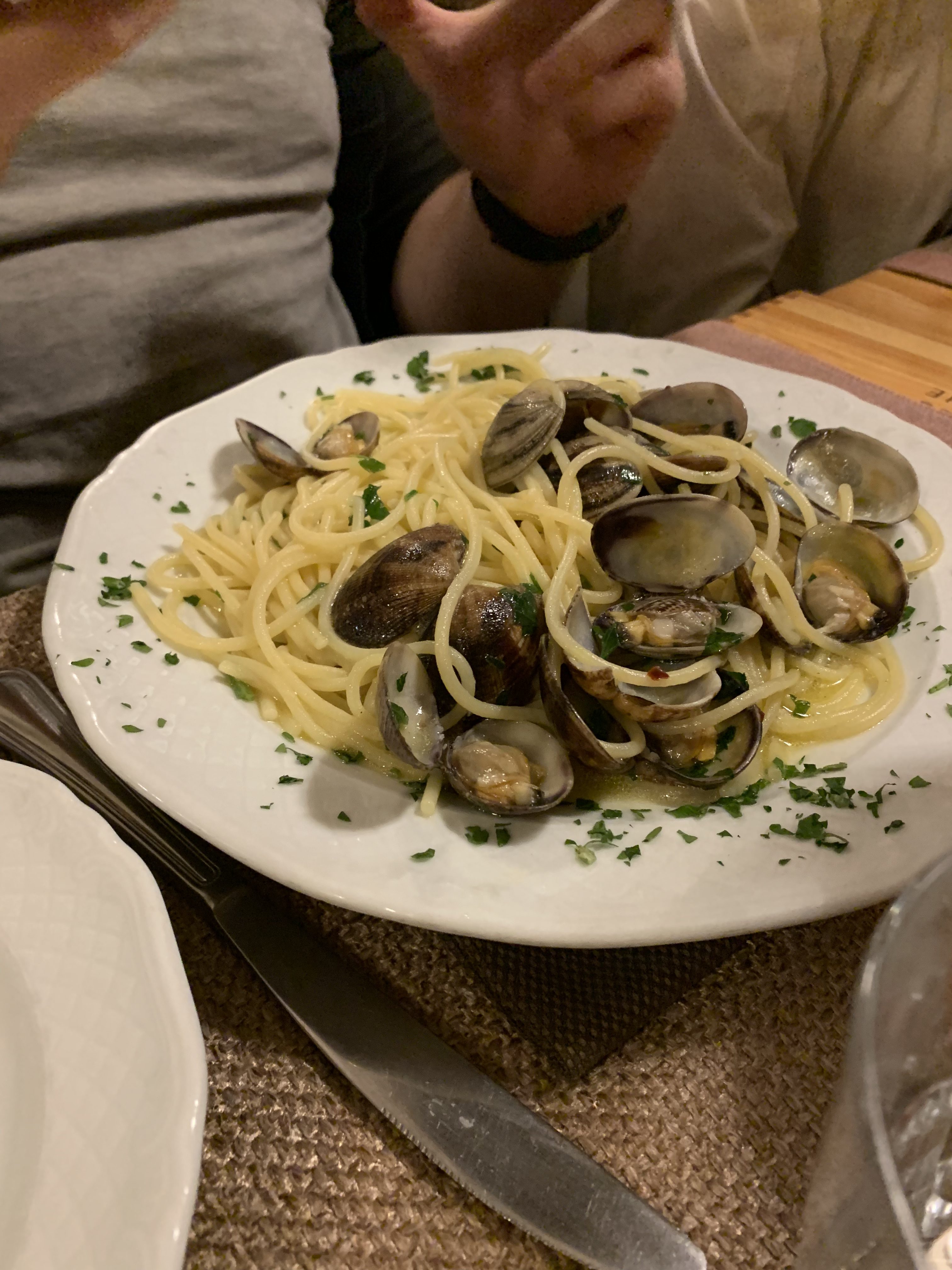
Written by Mitchell Allen Edited by Grant Gunderson
Field Trips!

Do Your Best Lizzy Mcguire at the Trevi Fountain

The time has finally come! we have just arrive in Italy in the last two days and have started off the trip with a ton of fun activities. Since the last two days were so crazy for us, I will be posting two blogs tonight to give you updates from our first two days as well as some great photos of the sights and the group. Just a warning to all some of these photos may just blow you away. Please look at all photos at your own risk because mind blowing may occur.

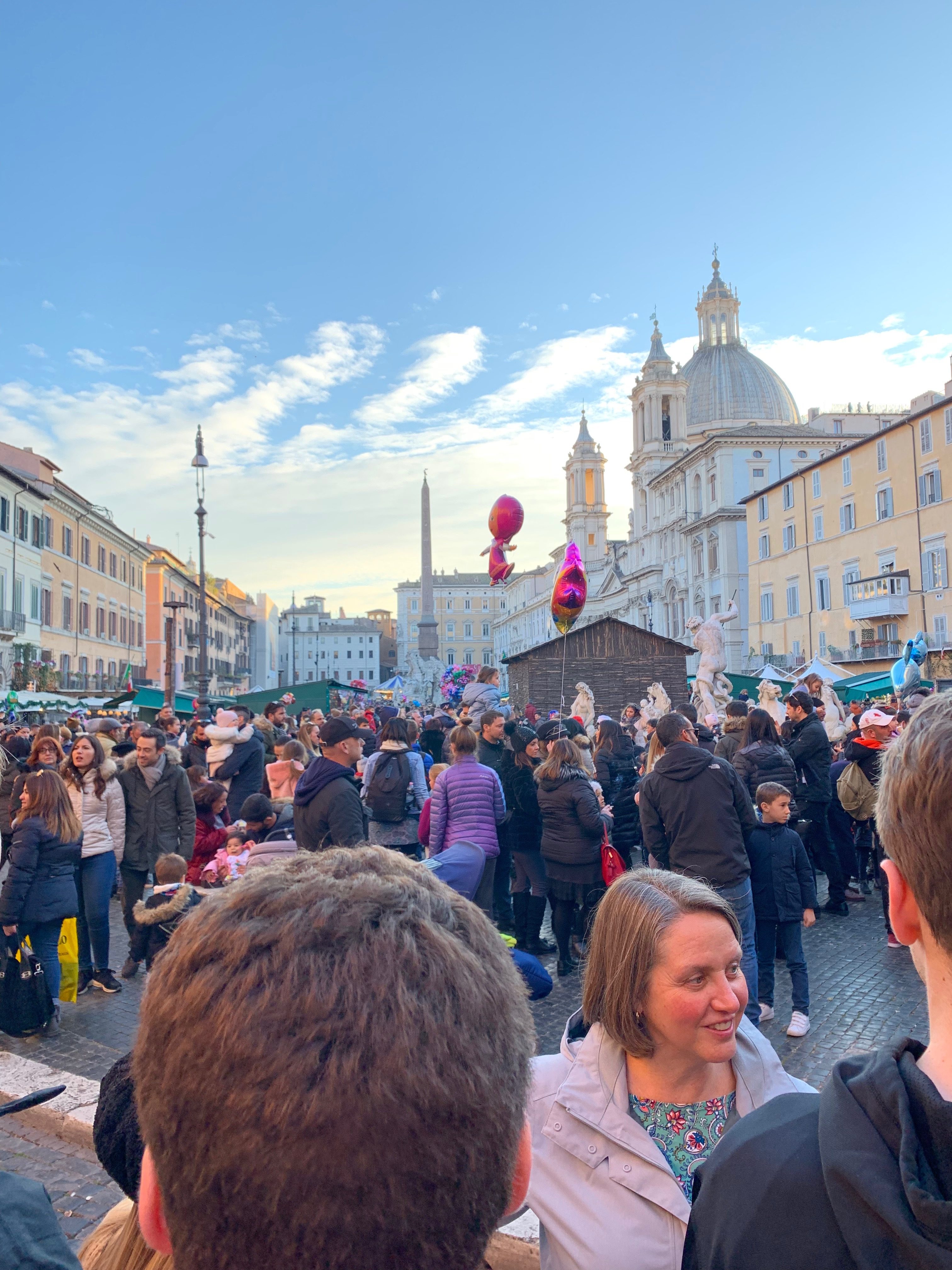
just another photo of the large celebration in the plaza. just on the other side of this crowd is the famous Trevi fountain. You may recognize the fountain from the Lizzy McGuire movie. 


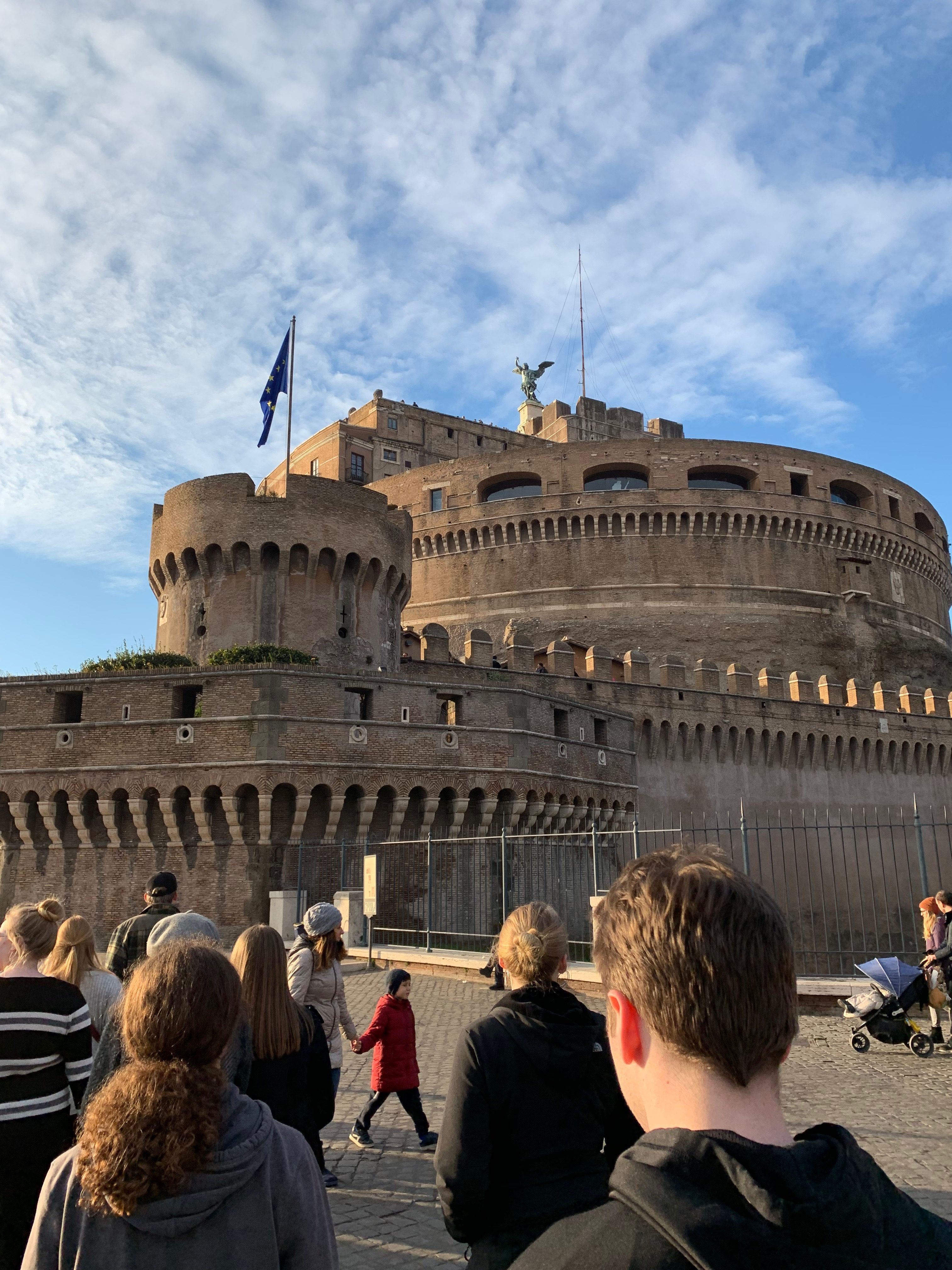
In Rome alone, it is hard to walk farther than a block and find yourself not standing by a castle.


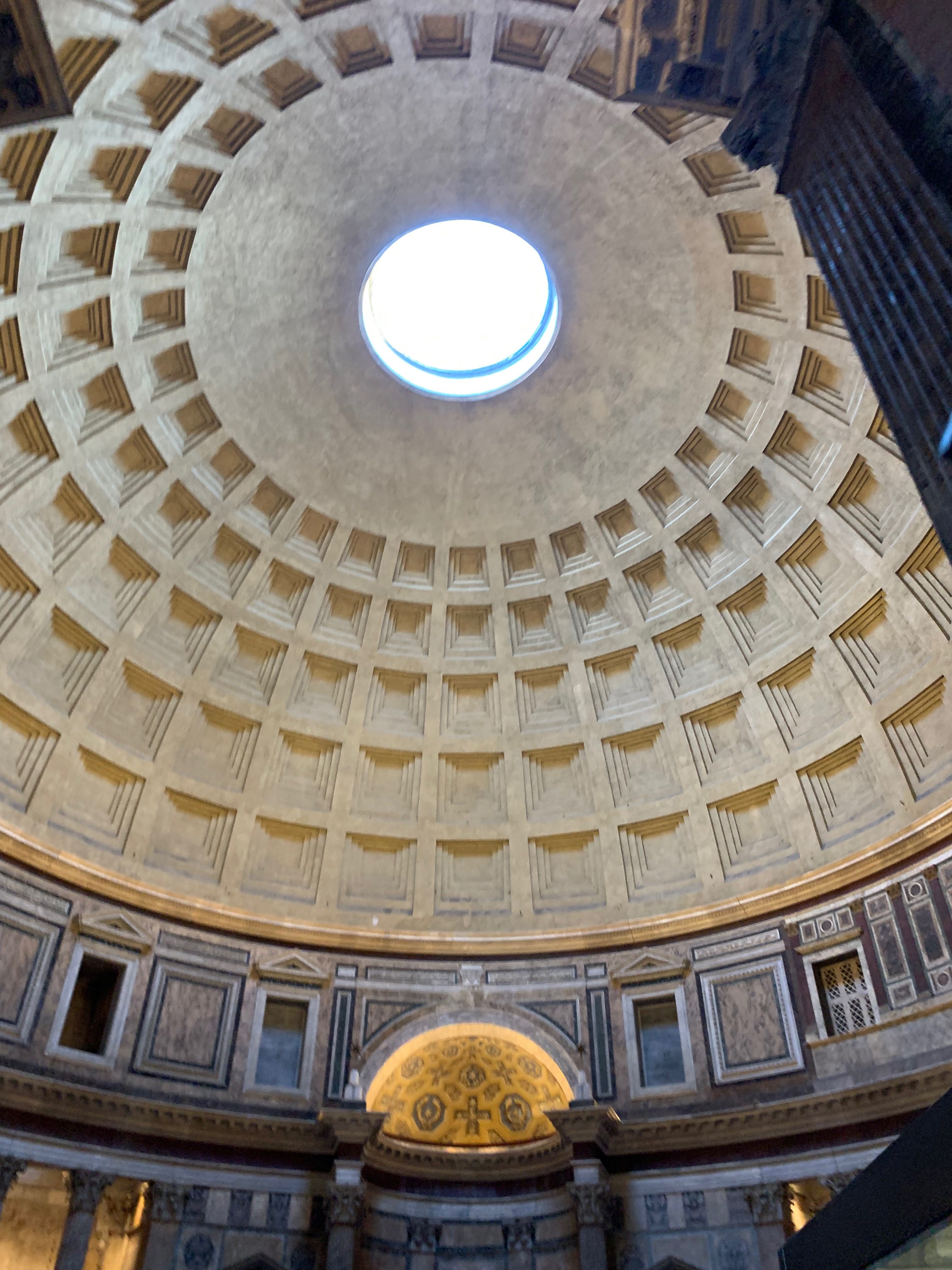
it may surprise you but, that is a hole in the roof. This picture from the Pantheon shows the architecture and engineering that went into one of the largest domes of ancient Rome. The rain that falls through the roof drains into small holes on the floor.


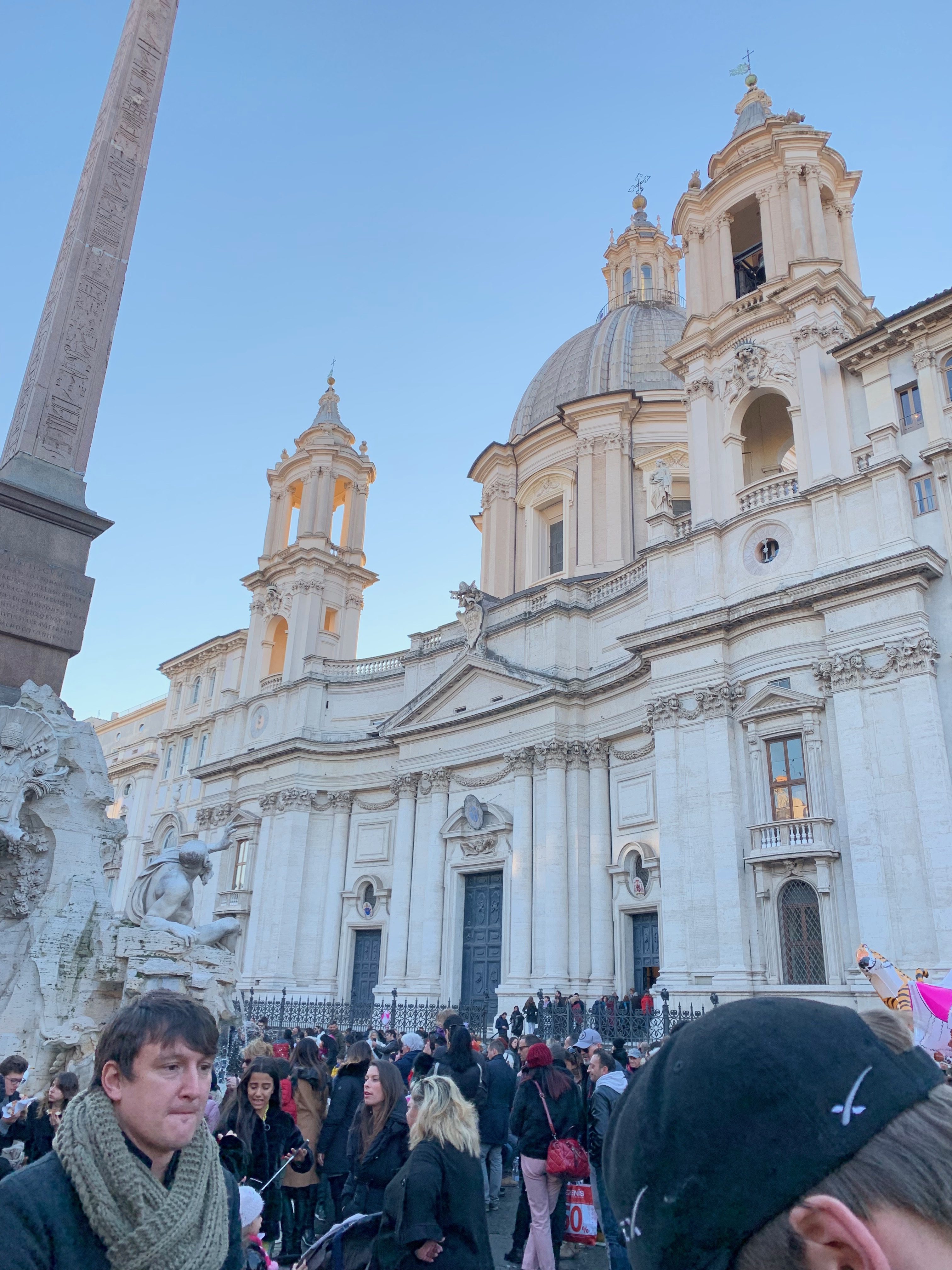
The streets were packed with people for the epiphany celebration. This photo is of a local plaza and the corresponding church there. Something really cool about these plazas is they have Egyptian obelisks everywhere taken straight from ancient Egypt.

Hello from the Structures of Engineering J-Term class of 2019! Today we finally touched down in the place we’ve been studying and preparing for, Italy! So far, we have been able to push through the jet lag and begin immersing ourselves in the Italian Culture. First we started walking towards the Castle then we traveled to the Pantheon which was a beautiful representation of the religious history of Rome. All throughout the temple are giant statues depicting Jesus throughout his life as well as beautiful paintings lining the walls. It is one of the oldest standing buildings here in Rome. One really cool aspect of the Pantheon besides all the Catholic altars is the gaping hole at the top of the dome. It is able to allow rain to fall inside of the building and drain into a central basin in the floor. It would be really amazing to see that in action. So far everyone is in good spirits and happy to be out and about! We can’t wait to see what tomorrow’s adventure brings! Ciao!

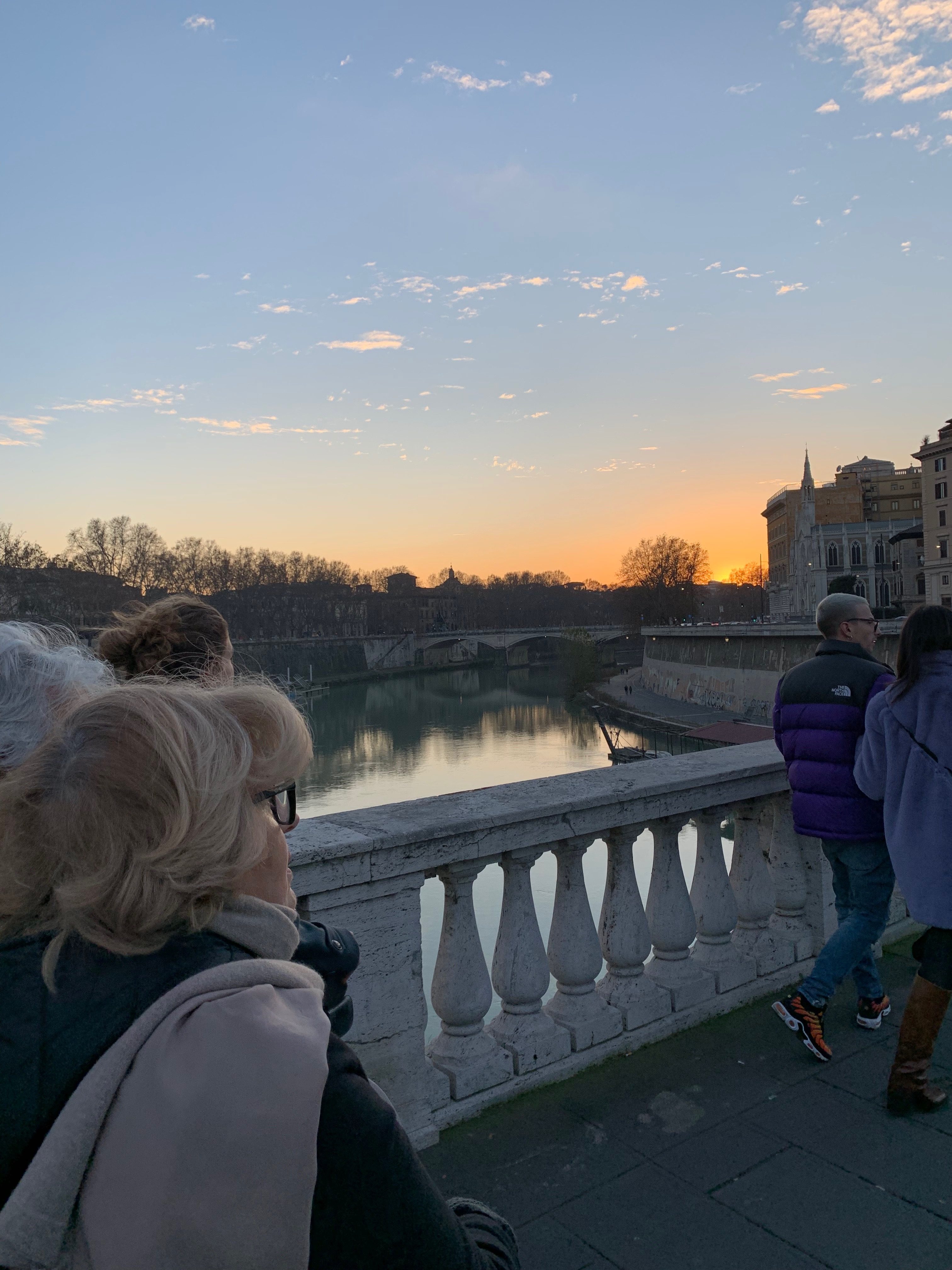
Rome at sunset is a gorgeous place to be. With all the old buildings highlighted by the beautiful colors of the sunset.

Among all the craziness we were lucky enough to experience the epiphany celebration here in Rome. The streets were filled to the brim with people and vendors and performers. It was amazing to see all the different types of food and products being vended that you don’t normally see in the US. To top it off nobody even got lost on our first day in Rome which is a pretty impressive feat when you think about all the people and craziness the city brings.


Written by Maddie Alidiner Edited by Grant Gunderson
Field Trips!

Introducing the 2018 Engr. 271 Team

Welcome to the blog for our 2019 January trip to the beautiful country or Italy! We are super excited to be your blog boys for this trip. We have some big shoes to fill from last time but, as your resident, and only three, seniors on the trip we are going to give you are best content we can, so you can follow us on our trip through Italy. This blog will be your one shop stop for all things Italy during our trip but, be on the lookout for a few different types of content we are hoping to post while on our trip (hint, it’s going to be a podcast). We are excited to do the podcast because it is something that will not only be fun for us but, let us have some great conversation with our classmates as well as talk  about what we are experiencing. Just before we get going, we wanted to do our best to introduce all three of ourselves to you along with a little introduction to our class. The three of us will be contributing to the editing of each blog but, as a class we will be working to write each and every blog so you get a chance to hear everyone’s voice. As a group we are made up of 3 seniors, 8 juniors, 7 sophomores, and 1 freshman. Once we get going into December, expect the posts to pick back up again as we prepare to head out. As our trip starts, each one of us is excited to introduce ourselves to you and give you our thoughts on Italy.


Hello everyone! My Name is Grant Theodore Gunderson. I am a senior Mechanical Engineering Major from the beautiful and scenic Lakeville Minnesota, Go Panthers. I am the Oldest of two kids and my family still lives in Lakeville with our two yellow labs. I am the esteemed Commissioner of our student professor engineering fantasy football league, and proud to post that on my resumé. I’m a huge fan of food and wine and for those reasons I can’t wait to experience everything Italy has to offer. Seeing that my mother is an English major, I’m doing my best to make her proud with my writing skills. Still, I have a feeling I will be getting regular texts about both my grammar and writing style. Expect improvements to come. Like I mentioned above, we are looking to start a podcast while overseas to give you our somewhat funny takes on wine, things we don’t understand, our daily activities, interviews with our classmates and more. As the brains of this operation, a self-given title, I appreciate any immediate feedback you guys can give and feel free to let us know what you think of the coverage. I am excited to be part of our squad we dubbed the “Blog Boiz” this January and hope we can give you a glimpse into our fun abroad. I hope that we can give you different ways to keep up with us and our classmates and a peak into the fun we will be having.
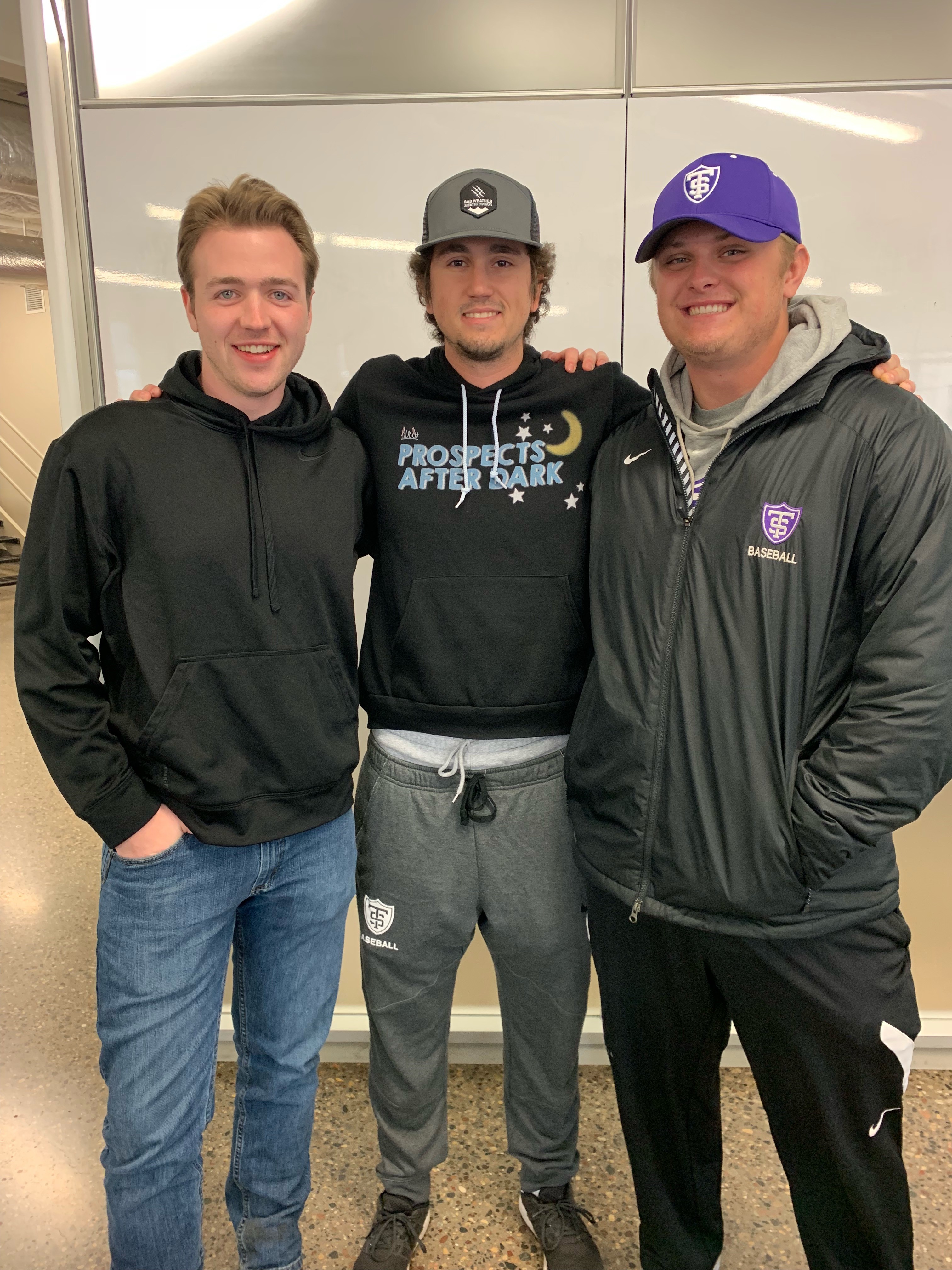
-Grant T. Gunderson (Right)


Howdy y’all, it’s your lone Kansan representative on the trip, and as far as I know, at the school. I’m Luke Rachwal, and a product of Shawnee, Kansas. I’m from a family of two siblings, a brother and a sister, as well as the most adorable Maltese-poodle mix you’ll find west of the Mississippi. I’m a senior, as mentioned by Grant, and will be graduating in May. I have a job lined up too, so senioritis has been a chronic illness thus far in my semester, and I don’t expect improvements to be made in the near future. I have a real knack for poorly and quickly photoshopped pictures, which is basically just me cropping heads onto existing pictures, nothing requiring any real skill. I’m a baseball player at UST, and probably am the required “weird lefty” that every baseball team needs. My goal as a part of the “Blog Boiz” is for Grant’s grammar and spelling to improve but I must say, the outlook is exceptionally bleak, so apologies in advance. I’m very much looking forward to this trip and have been ever since I came across Professor Besser in Anderson Student Center during the Study Abroad Fair last year and couldn’t ask for a better group to make my first visit to Europe with! Please let me know if I can help anyone with anything, or if you just want to be my friend, that works too.
P.S. My dog is not named Toto, and I have no friends named Dorothy. Though if I were a character from the cult classic film Wizard of Oz, I would probably liken myself to the Tin Man because my knees are similar to those of a 60-year old.
-Luke J. Rachwal (Center)


Hey everyone, I want to start by saying thanks for choosing the “Blog Boiz” as your travel companions on this adventure of a lifetime! I am a senior mechanical engineering student and will be graduating this upcoming May. My home stomping grounds is the always classy St. Cloud, MN. I am the youngest in my family. I have two older brothers who are 27 and 28 and an older sister who is 31. My sister is married and has two daughters who are currently 2 and 5. And yeah, they are the cutest kids you’ll ever see and I’m more than happy to share some pics and adorable, funny stories about them. I have had a couple of internships over the last couple of years, and I am currently working as a Tech-Aide at 3M in the Abrasives System Division. I have always been an avid outdoorsman. If it’s nice and warm out, you can find me on a motorcycle either on the street or some off-road trails. If it’s too cold for that, it’s a safe bet to assume I’m out sending it and shredding some gnar on the ski slopes. I’ll do my best to assist Luke in his goal to help Grant’s grammar and spelling, but keep in mind that I can only do so much. If you happen to find yourself tuning in to our podcast, I’ll probably be the guy going on rants about crazy, interesting, or completely random things we find and experience along our journey. I have always had an immense love for Roman history, so I can’t wait to get going on this trip and to get to know everyone!
-Nathan D. Hahn (Left)


Field Trips!

What do you get when you bring engineers to Florence?

They find their way to the Galileo museum, of course!

Today, our final day in the Brilliant country that is Italy, we had our last lecture as a class, and completed the last item on the itinerary before we departed back to Rome for the night. We had a little bit of time before we had to meet at the museum; some of us stayed back to get some work done, others spent their remaining euros in the markets of Florence.

As for today’s main event: Museo Galileo! We were self-guided through this wonderful museum situated right on Arno River.


It’s safe to say we ‘enginerds’ were enthralled by the experience.

Some of my favorites and the highlights included:

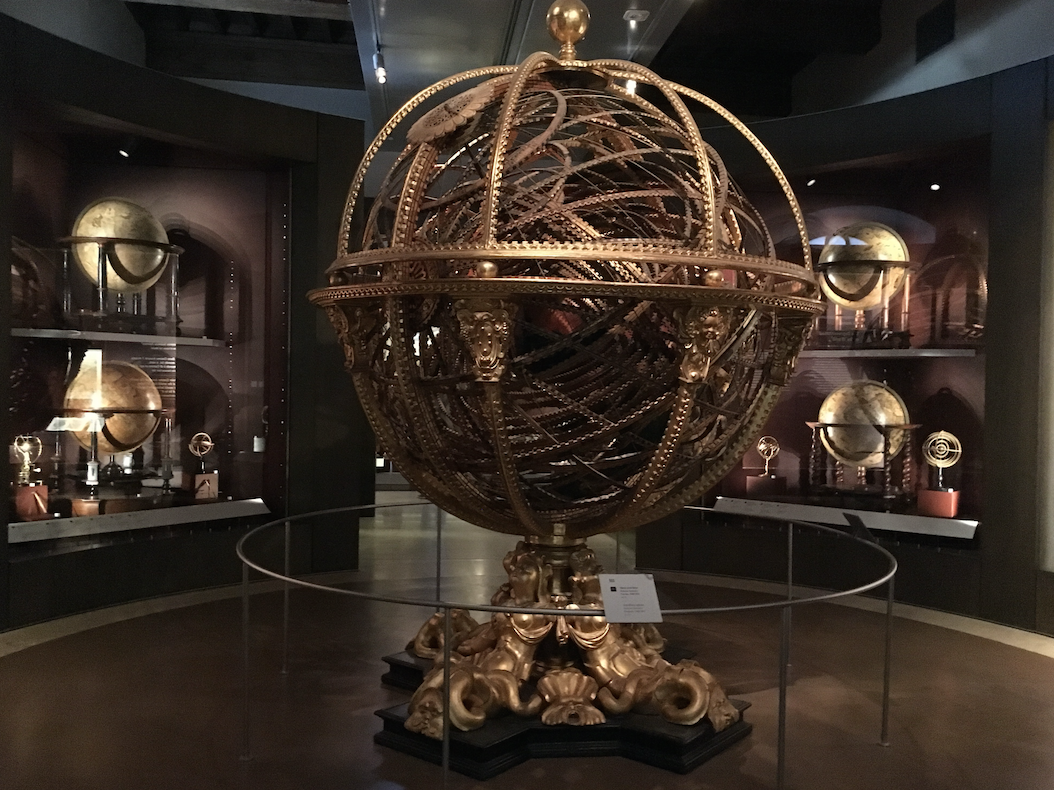
The armillary sphere

Still under the impression that the universe revolved around the earth, this sphere has a multitude of rings surrounding the earth in the middle. Each ring depicts the orbit of another planet. The sphere moves as a crank is turned near the base.

Inclined plane

Ah, physics, our old friend. This instrument has bells places at different intervals in increasing odd units (1,3,5,7). Since we know the acceleration is constant as the ball rolls down the plane, it rings the bells at times that occur simultaneously as the pendulum (swinging from the right side) swings- genius! It was one of the earliest machines that timed oscillations.

Telescopes

Some of these telescopes used octagonal and cylindrical tubing, as well as a variety of materials including leather, cardboard, and wood. Some of these telescopes include the first use of two identical convex lenses to refract the image back to normal (instead of upside down).

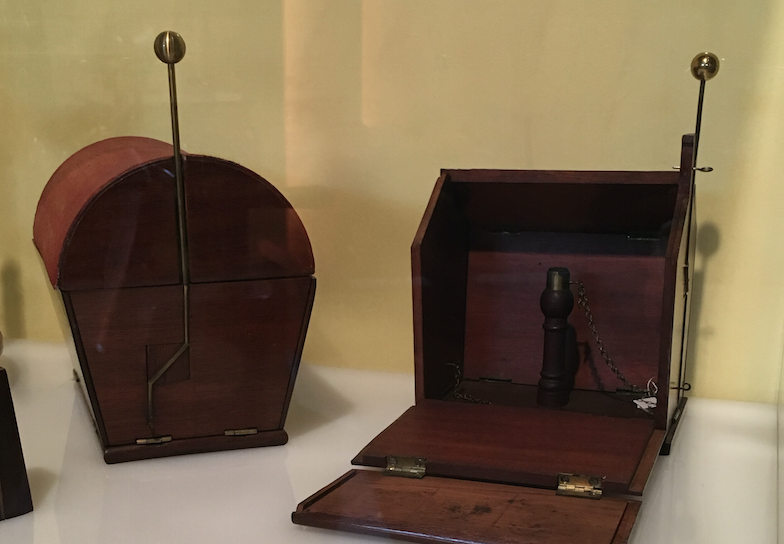
Thunder house

These miniature models of houses experimented with the idea of grounding electricity. A mock lightning would be created by a laydon jar, which creates a current sent directly to the lightning rod. Inside the house is a little metal ball containing gunpowder. When the lighting rod was not fully connected to the ground, the current would blow the house apart in conjunction with the gunpowder. However, when the lightning rod was completely grounded, the current was completely dissipated.

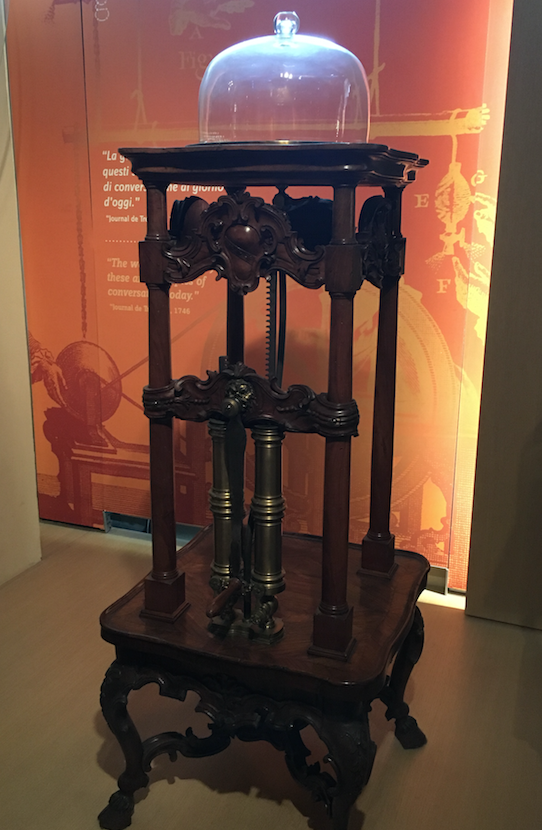
Twin barrel air pump

An old vacuum! The dual air pump was set in motion by the crank, resulting the air in the glass jar (on top) being sucked out, creating a vacuum. Many experiments were done in this type of apparatus: Suffocation of small animals (excuse the harsh details), extinguishing flames, and stifling the sound of a bell.

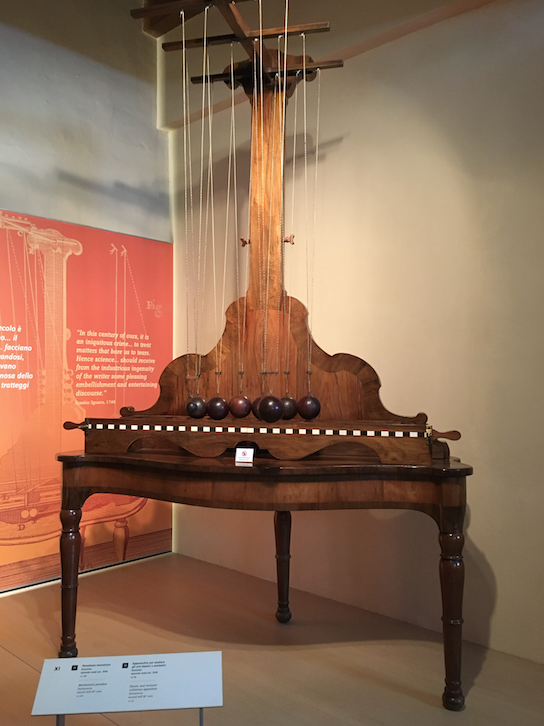
Elastic and Inelastic collisions

This wonderfully crafted device allowed for many experiments to be run of a multitude of variables. The balls, strung from a bar at even heights, would consist of either ivory for elastic collisions, and wet clay for inelastic collisions.


Field Trips!

Marble Quarries + The Leaning Tower of Pisa

Hello to everybody back home! Only a couple more days until we will be reunited! Our last few days are still packed with excitement.

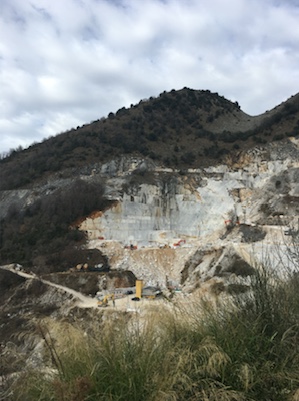
A mountain of marble!

Today, we woke up bright and early to see the Carrara Marble Quarries. After an almost two-hour bus ride, we picked up our tour guide and headed into the massive marble mountains. On our way, we passed lots of Carrara marble companies. Our guide informed us that the Romans founded this marble-dependent society here in the 2nd century BCE. Thus, the culture continues to revolve around marble so many years later.

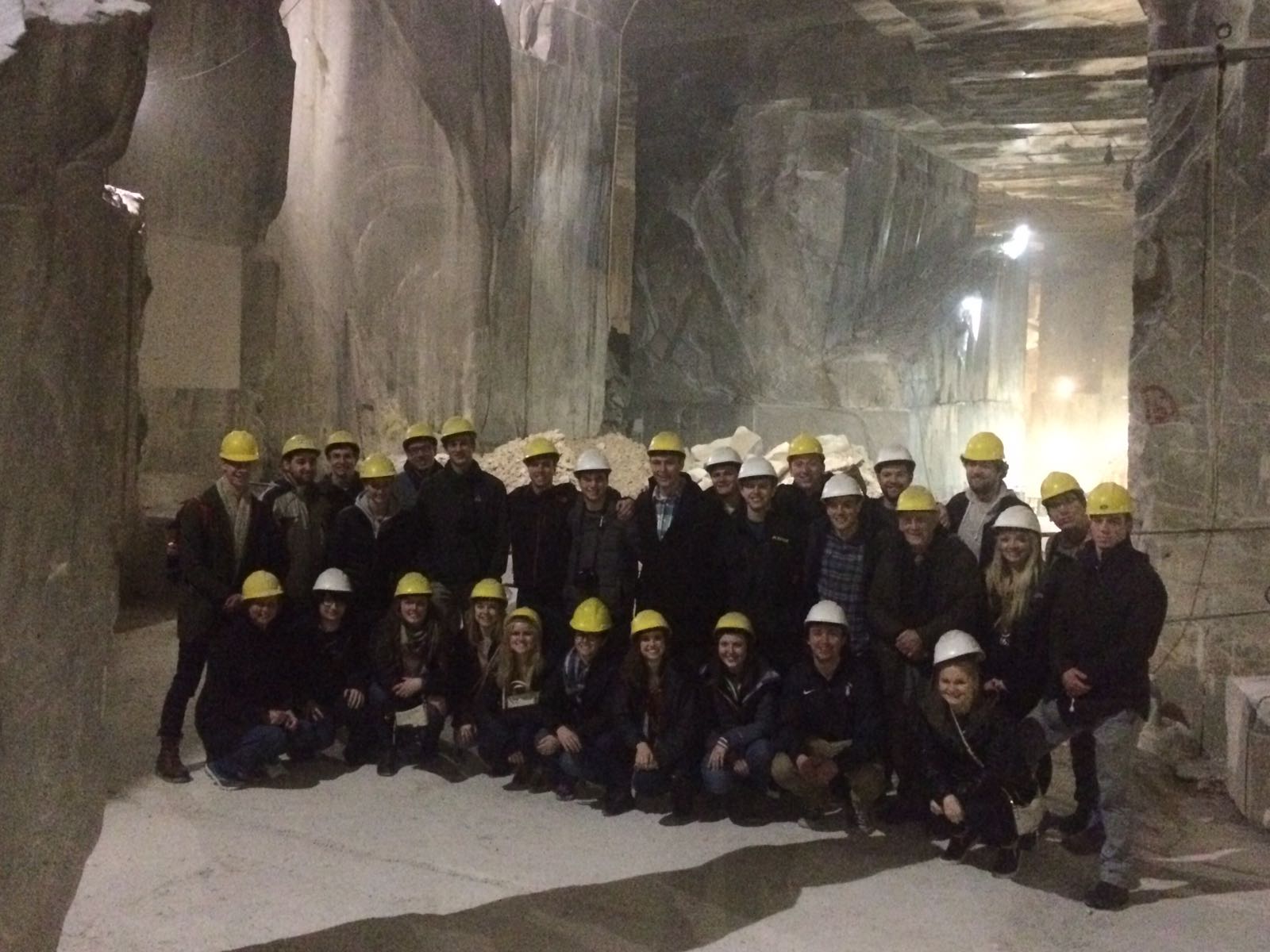
Our group listening intently to our tour guide.


Carrara’s marble industry involves 1200 quarry men, 700 truck drivers, 3 valleys for excavation, and a grand total of 188 quarries!

The chain of mountains is exclusively composed of white marble. Composed of 99.99% of calcium carbonate, this marble is used for more than floor tiles and countertops. According to our guide, many glycerin-based cosmetic products are made white using this fancy marble dust. The powder is also used in osteoporosis medication and some cleaning supplies.

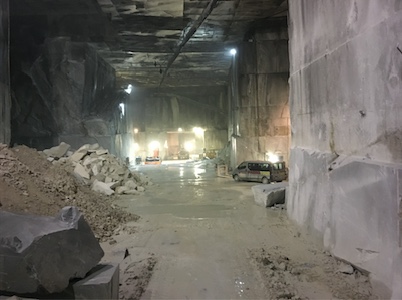
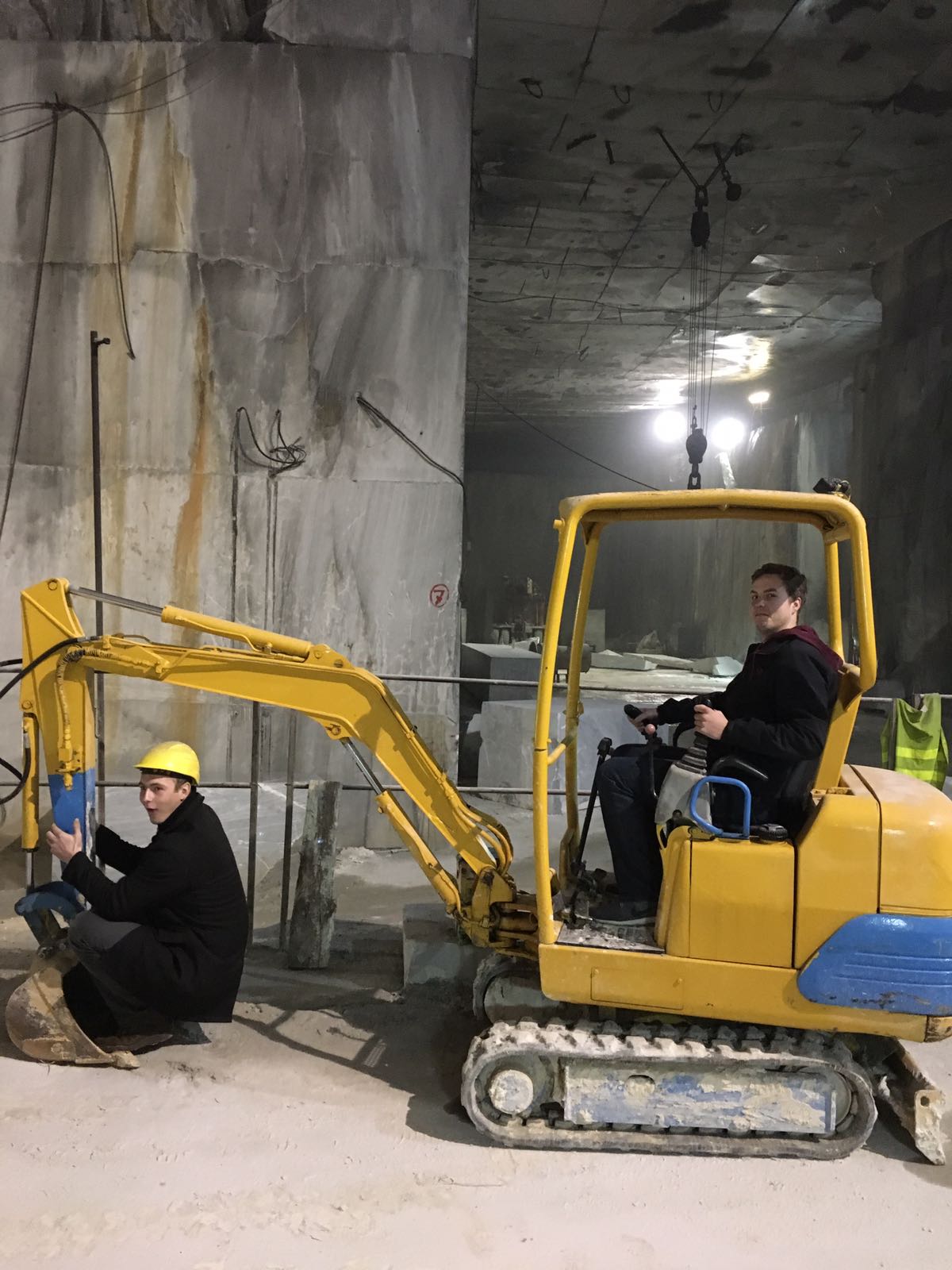
We are under a mountain! How crazy is that?

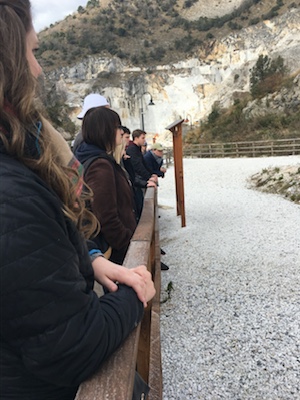
After taking a short stroll through the mountains (and even witnessing a cluster of marble fragments tumble down the side of a peak), we hopped in vans and drove into the heart of these mountains. When I say into these mountains, I mean literally inside of these mountains. Our second tour was located 400 meters below the top and 600 meters from the side of a mountain. Inside, we learned about the extraction process of Carrara marble. We learned that the marble crystals form only parallel and orthogonal to one another allowing for the excavation of large cohesive blocks of marble. We saw a few of the huge blades that are used to cut slices into the walls of marble. I, personally, found the diamond wire tool most impressive. Attached to a fly-away machine, this wire is wrapped around the marble in the groove or cut made by the large blades. Once secured, the machine rotates the wire at speeds greater than 150 km/hour to completely detach the chunk of marble.

Troy and Jim testing out the equipment!

Lucas and Connor with some marble samples!


As we explored these marble mountain caves, a few of us grabbed a couple sample fragments. The prices for this sparkling, white marble ranges from €200-7500, but our guide explained that €3,000/ton is typical.

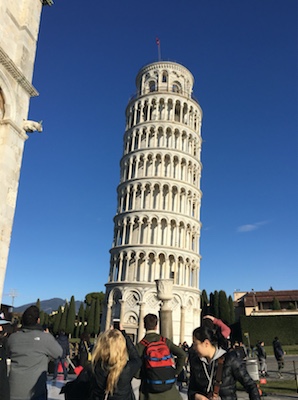
After finishing up in Carrara, we headed to Pisa to check out some tower. Just kidding! This is had been something I’ve been looking forward to all month! The famous Leaning Tower of Pisa did not disappoint. Tilting at a small, yet still very significant 5 degrees, this banana-shaped tower is still standing. It even continued to stand as we took this picture of most of our class at the top! Phew! I was a little worried! We impressed our tour guide with our knowledge of the tower’s construction and the engineering techniques required to stabilize the structure.

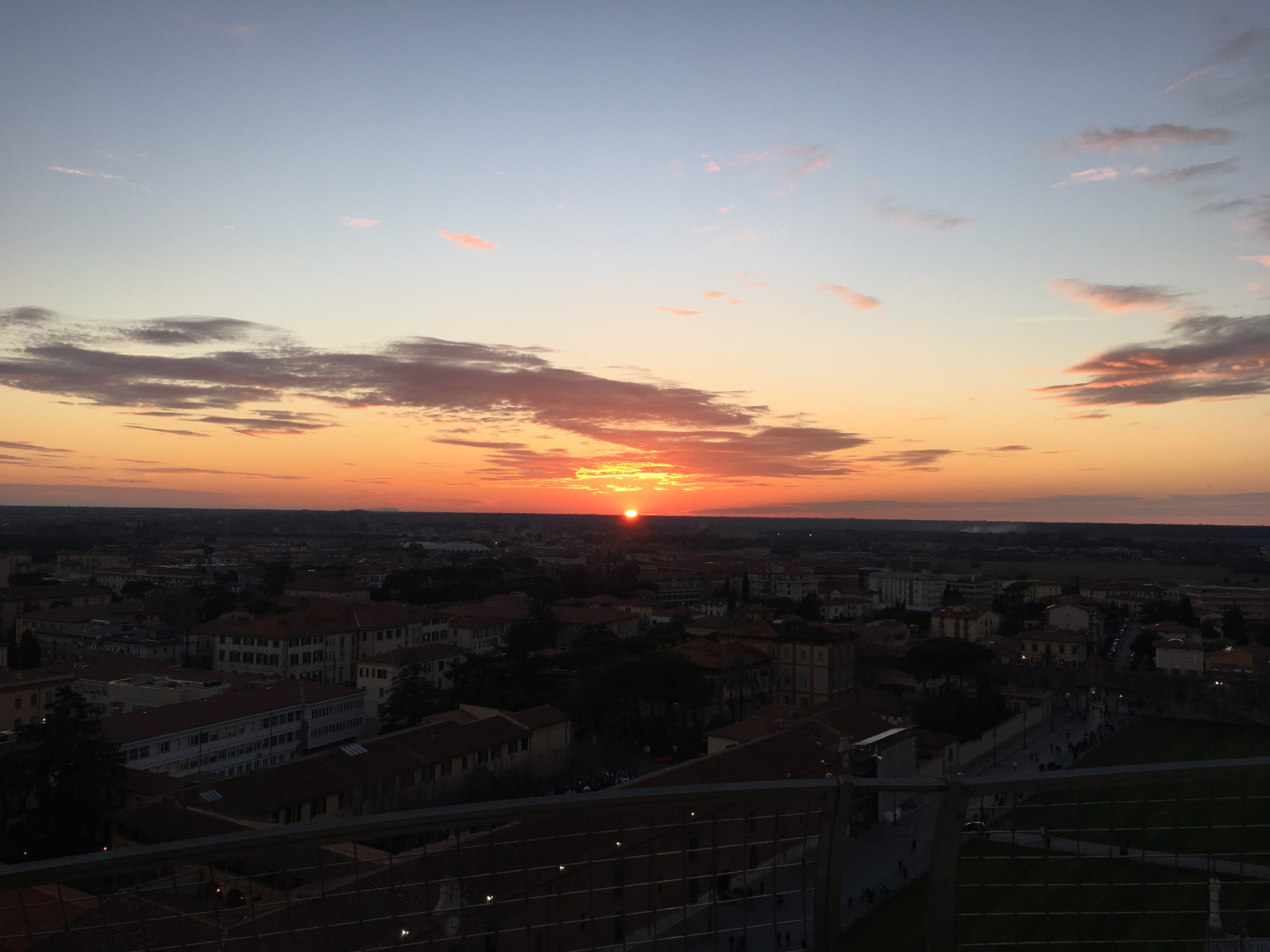
The Leaning Tower of Pisa has remained at a consistent 5 degrees since 2001! Back before 2001, there were some serious concerns with the rate that the tower’s tilt was increasing. Many engineers worked together to reduce the tilt from 5.5 degrees to 5 degrees and to keep it at 5 degrees. Our guide joked that the tourism industry prayed that the tower wouldn’t be set straight because they’d be out of jobs if that was the case! We were reminded of some of the information we learned at The University of Naples about the complexity of Pisa’s soil and the reliance on counterweights to stabilize the structure. Some of us climbed the Leaning Tower of Pisa at sunset. It was gorgeous!

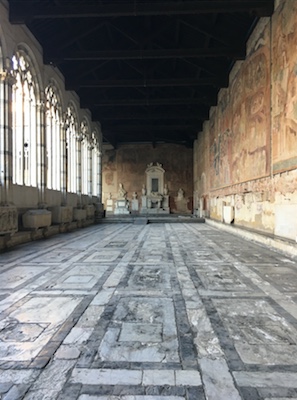
In addition to seeing this special tower, we also saw a baptistery, a church, and a cemetery during our time in Pisa. Overall, it was a fabulous day!

A floor of tombs and some walls covered with frescos!

I know many of us are starting to feel the lure of our own beds and the comfort of home, but I know that at least I am starting to get very sentimental about all of the relationships and the memories that have developed in these last 21 days.

Check back tomorrow to see how we continue to savor our last days in Italia!

Field Trips!

Keeping up with the engineers

Hi all! I come bearing not one, but two days worth of stories, lessons, and newsworthy events.

Yesterday, we enjoyed time under the tuscan sun in Siena and San Gimignano; two beautiful smaller towns about 90 minutes outside of Florence. We started in Siena, the larger of the two towns, and took a short tour with our guide, Federica. She brought us to the San Dominicano church, which was a new style than the typical churches we’ve seen in the past few weeks. In fact, a lot of the architecture here boasts a more gothic feel. We then walked through some of the 17 districts of Siena, each of them having their own main church and even their own flag. We also got to see the town square in which they hold their famous horse race twice every summer. She explained that through a lottery system, 10 horses are chosen randomly for 10 districts each race. It is a huge celebration that involves a feast and many other celebrations before and after the races. In fact, Federica’s district of Lupa, the She-Wolf, was chosen the same horse and to be entered in both races this past summer, and won both times. Statistically speaking, this is very rare- and she was proof that it was a very exciting feat. After our tour, we roamed the streets of Siena, which is situated on three hills. Siena has an underground tunnel system in which ancient merchants used to use to get around easier, since bringing carts up the hills was a difficult task. Another wonderful engineering idea from long, long ago!

More brick and less marble! San Dominicano Church from afar.

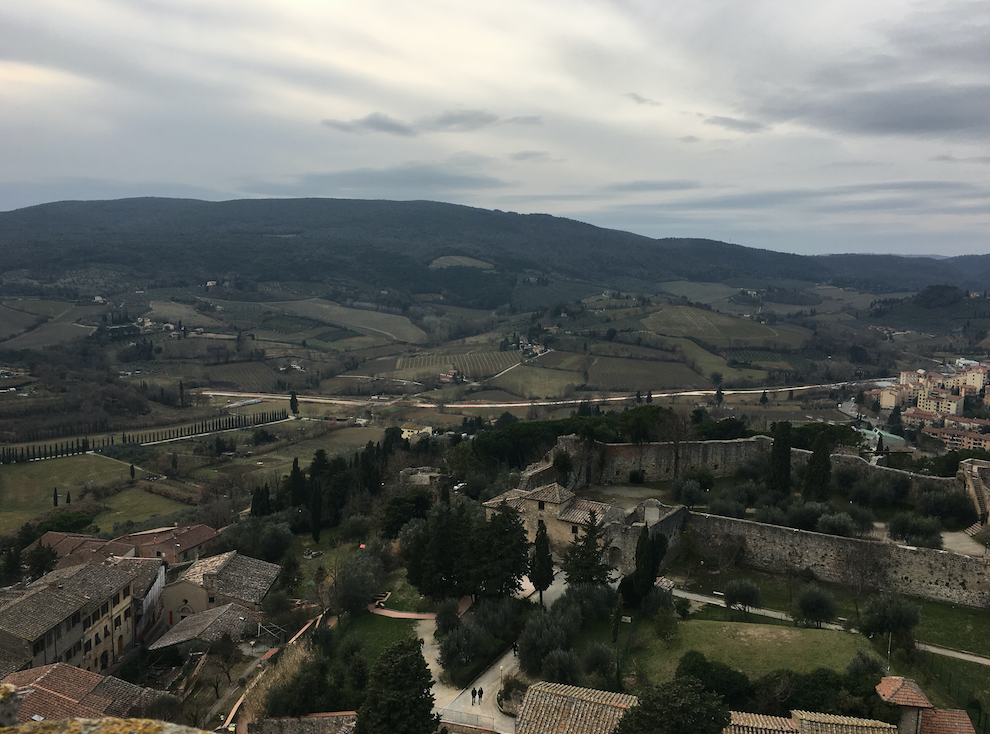
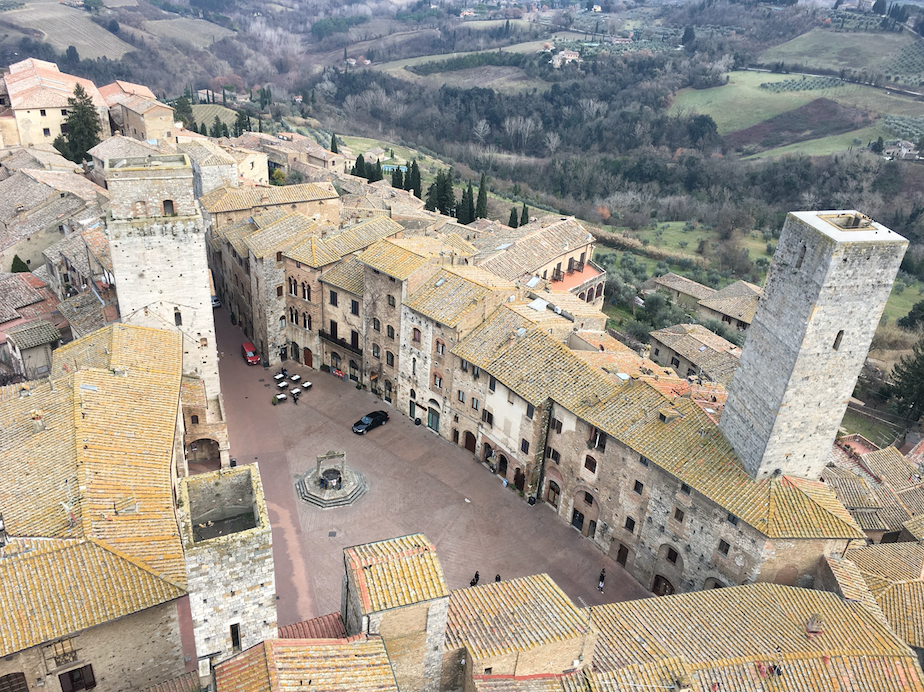
After Siena, we hopped back on the coach to San Gimignano-which is undoubtedly the cutest small town I have ever seen. Once an old trading post, the town’s postcard image is of it’s towers. The families of the town used to build towers as a sign of power or wealth, and eventually, there was a rule put in place that they were to stop building towers. So now, there are 14 towers left- one of which we climbed- the Torre Grossa. While it was much shorter than Brunelleschi’s dome or the bell tower, it provided unbelievable views of the countryside that Tuscany is so well known for. Here are some shots I took while 54 meters up:

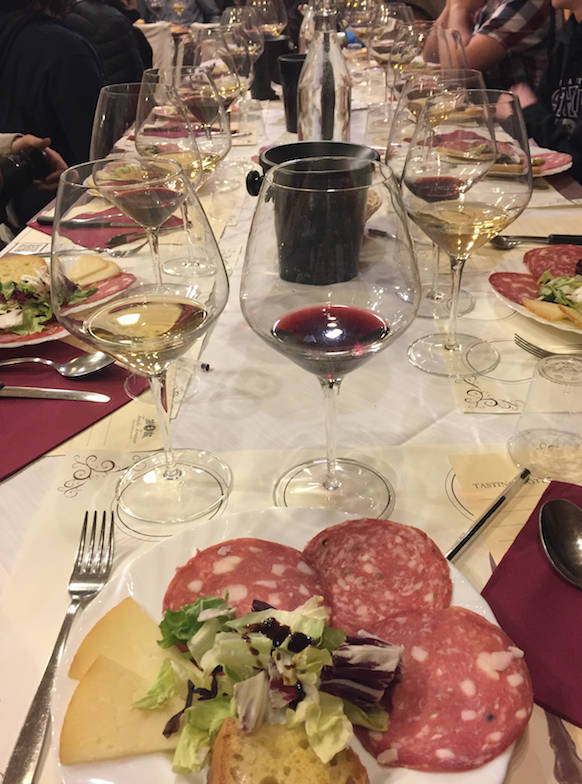
And for the final event on Sunday, a wine tasting! We became chemists for the night as we visited Tenuta Torciano Winery. Luigi, the owner, gave us a little run down of the process behind growing grapes for the wine, and olives for the (you guessed it) olive oil. We learned that the pH in the soil here is low, which means there is no fat in the olive oil, and no acidity in the wine-yay! They also brew their wine to eliminate sulfates, which alleviates the chemicals that produce hangovers. After our quick chemistry lesson, we were put to work! (It was pretty tough stuff, let me tell ya!) We sampled different types of wines, as Luigi and his son demonstrated how to swish, sniff and sip the wine in order to get the full effect of the grape. Each grape has many different qualities that make it unique- and we learned that different grapes even produce different smells when swished! Definitely a glass-half full kind of day!
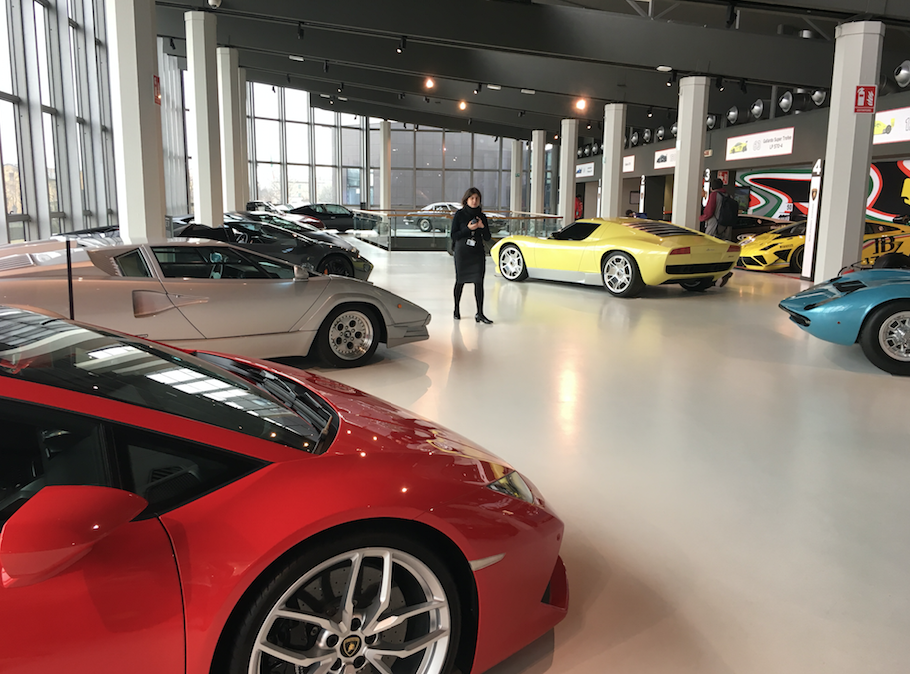
Monday morning came quick, and we found ourselves back on the coach on our way to the Lamborghini and Ducati factories. We definitely had our engineering hats on today! We were guided through the Lamborghini factory, where they were producing their Aventador and Huracan models. With V10 and V12 engines, and horsepower up in the 600’s, these cars are nothing short of fantastic. We were not allowed to take photos in the factories as to protect the worker’s privacy, so you’re going to have to take my word on the attention to detail and intricacy of the production line- only about 5-6 Aventadors are produced each day, and around 11 Huracans. After the tour of the factory and spending a little bit of time looking (gawking) in the museum, a few of us chose to test drive a Huracan- definitely something to cross off your bucket list!

Lamborghini’s on parade

Checking out what makes these cars hum

We finished off our day at the Ducati factory. These high end sport bikes are as incredible as you’d imagine! We were brought along the assembly line for several model types- the organization and operations of these factories was very well thought out and swiftly executed! We got to enjoy seeing the engine start for the first time, a simulated road test, a cO2 emissions test, among many other important aspects of automotive production. Again, no pictures… it was so cool- I promise!

That’s all for today! Just a few more days before we find ourselves back home! Until then, Ciao!

Field Trips!

Stairway to Heaven

Hello from Florence! We just wrapped up our first full day in this beautiful city. Seriously, prepare yourself for some of these views! Before we get to that, let’s start at the beginning of our day.

First thing after breakfast, we gathered in a meeting room to hear Professor Roberto Corazzi speak on the Filippo Brunelleschi and his engineering strategy and design of the Duomo of Basilica di Santa Maria del Fiore. The Florence Cathedral began construction in 1296 and was completed in 1436, a period of 140 years. The reason for the long delay was the cathedral dome, called the Duomo, was the largest dome ever built.

Brunelleschi suggested an octagon drum, thus directing the weight on to the massive piers. Without the need to center the dome, it was constructed similarly to an arch with straight sections of the dome’s panels as flat arches between the main ribs (this angle was about 4 degrees). We also learned all about the importance of the herringbone brick pattern in stabilizing the structure and reducing thrust.

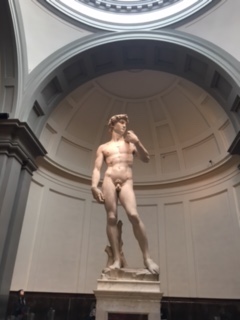
After learning all about Brunelleschi and the construction of the Duomo, we headed into the heart of Florence. We stopped at Galleria Dell Accademia to see the Michelangelo’s famous statue of David. This Renaissance masterpiece was created between 1501 and 1504. It is a 17-foot tall statue of solid Carrara marble. How interesting! (Many of us are experiencing severe Gino withdrawals, so please excuse the excessive use of his phrases and any pictures with his face photoshopped into them.)

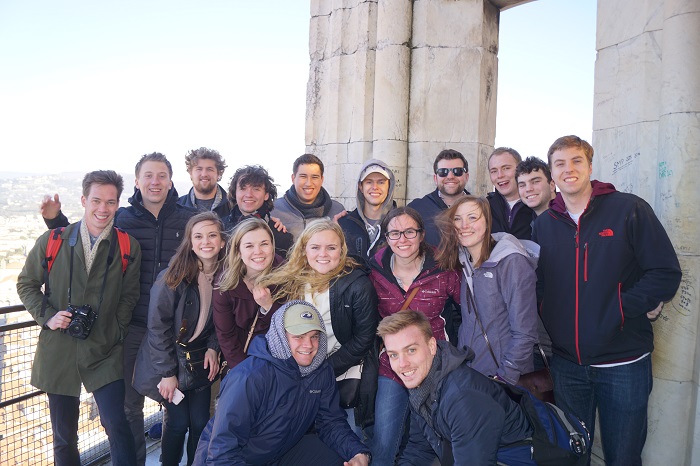
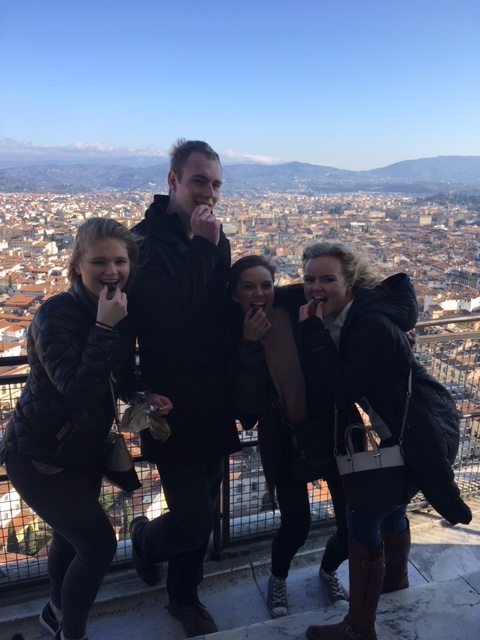
By 2:00 pm, we had set foot inside the Basilica di Santa Maria del Fiore. Only some of us were aware of the 463 stairs that needed to be climbed in order to reach the top of the Duomo (maybe that was a good thing). It was quite the hike! Steep, concrete spiral staircases seemed to never end, but we finally made it to the top. It was absolutely breathtaking! Incredibly far from the ground, super crowded, and very windy, our experience caused a bit of anxiety for those afraid of heights, but we all survived. A group of us even ate some chocolate as we enjoyed a bird’s eye view of Florence!

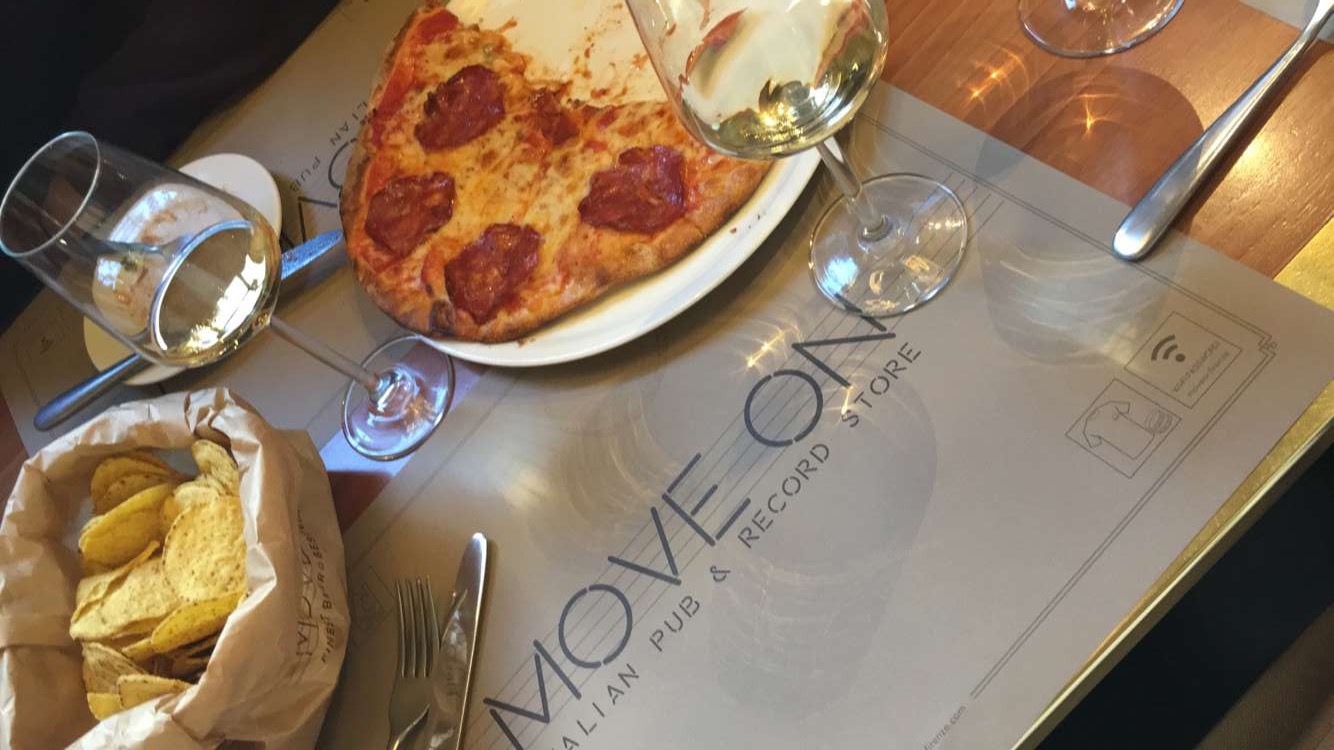
Afterwards, we had the rest of the afternoon to ourselves. A group of us went to an Italian pub with a great collection of vinyl records called Move On. It was a blast!

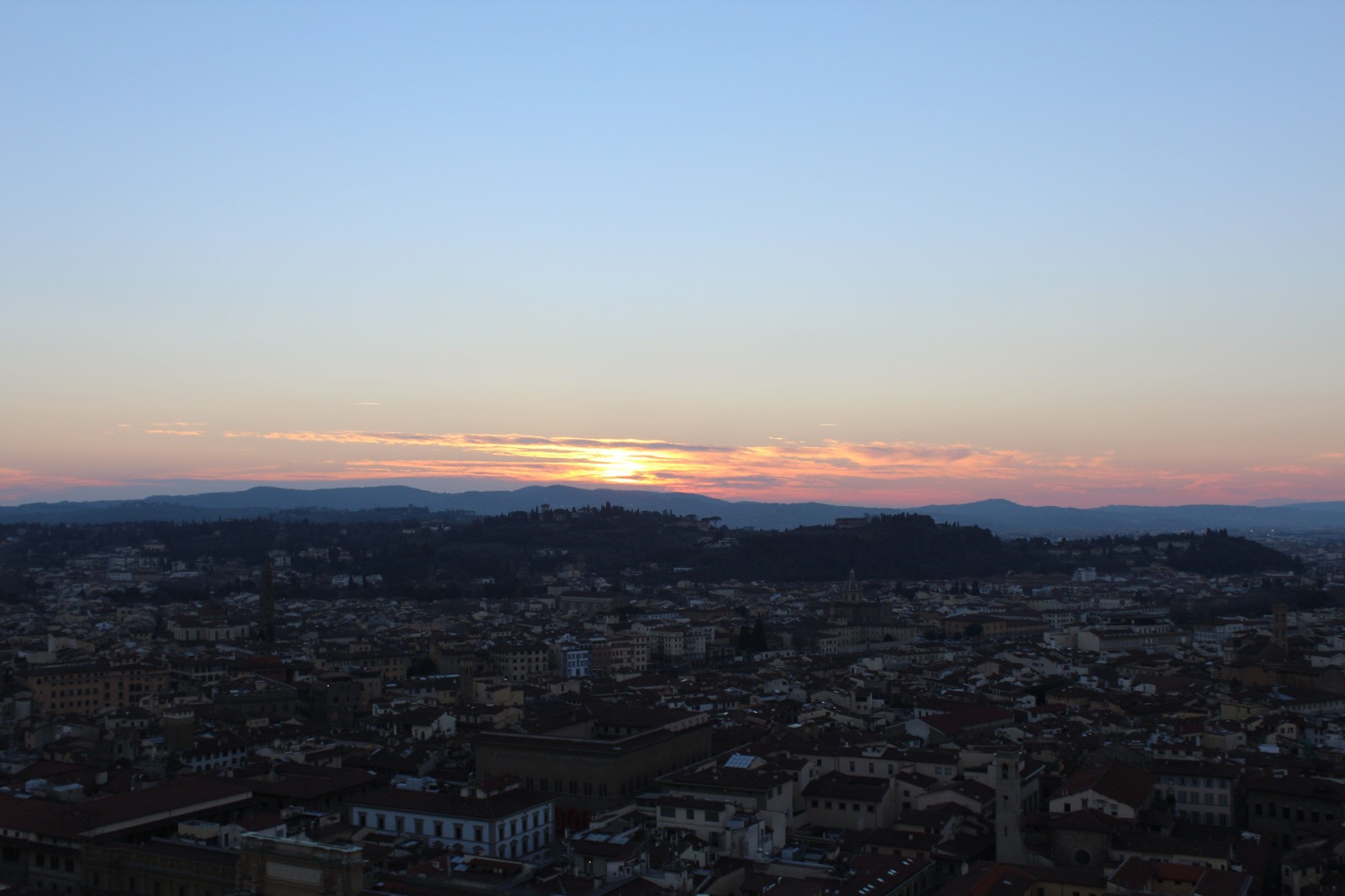
An even smaller group of us spontaneously chose to climb the 414 stairs to the top of the bell tower right before sunset. What an amazing view! (See picture at the top of the page for the picture of city and sunset from the bell tower.) We even had the treat of hearing the bell ring while we were still inside!

It was an incredible day! We’re off to Sienna and San Gimignano tomorrow! Be sure to check back for our wine tasting adventure!


Field Trips!

Straight Outta Naples

As we wrap up our (short) time in Naples, we spent the day over at University of Naples- Federico II. Founded in 1224, it was the first state university in the world. While the school has 4 different schools and 26 departments, we (obviously) found ourselves in the Dipartmento di Strutture per I’Ingegneria e I’Architettura: The Department of Structural Engineering and Architecture.

Here’s a (brief) run-down of the topics covered today:

  • Tower of Pisa with Carlo Viggiani, professor of geotechnical engineering
    • Professor Viggiani explained how the Tower of Pisa leans due to lack of geotechnical engineering and soil mechanics knowledge during its construction.
    • Construction was halted multiple timed due to economic or political reasons. During these periods of 90-100 years each, the soil had shifted underneath the tower, causing it to lean.
    • The soil in the area, due to its proximity to the sea, is made up of multiple layers of clay and sand, which shifts and compresses easily. Knowing what we know now about soil mechanics, a tower of this size would not be constructed in the area.
    • Throughout the last few centuries, as towers around Europe and Italy had been collapsing, there were many commissions formed to determine the best solution as to correcting the lean. Some of the attempted methods included: Liquid nitrogen freezing of the soil, pumping water into the soil, and anchoring the higher side of the tower deep into the soil, among many other ideas generated by these committees.
    • The winning solution was to under excavate the soil below the north side of the tower. As Carlo pointed out, this solution was the most effective in reducing the slant, as well as keeping the integrity and respect of Pisa alive. He would know, as he was a part of the commissions since the 60’s!
  • Earthquakes and Protection of Cultural Heritage in the Mediterranean with Federico M. Mazzolani, professor of structural engineering.
    • As Italy is very on the edge of three tectonic plates, Eurasian, African, and Arabian, it is highly important to study the effects of earthquakes and seismic activity.
    • Professor Mazzolani explained to us how Italy is a part of many other nations along the Mediterranean sea who joined together to study old, famous, and historical structures that may be at risk of collapse should an earthquake happen.
    • This group of researches would make scale models of buildings and monuments, and place them upon shake-tables (see picture below) and study where damage and even collapse would occur if there was seismic movement. They would use computer imaging to illustrate points of stress, and come up with solutions to further secure the areas of concern. In a few cases, the buildings they studied actually implemented their solutions, like vertical and horizontal cable reinforcements.

After lecture, we got to tour their structures lab! (Again, as I am a future civil engineering major, I was nerd-ing out).

A view from the classroom window of the lab below. One feature of the lab was the strong floor- seen as little squares for the machinery to anchor to. This makes for stable and secure placement when machinery is in use, and flexibility of movement when needed.

A masonry wall set up for a seismic simulation featuring somebody’s blurry hand… oops!

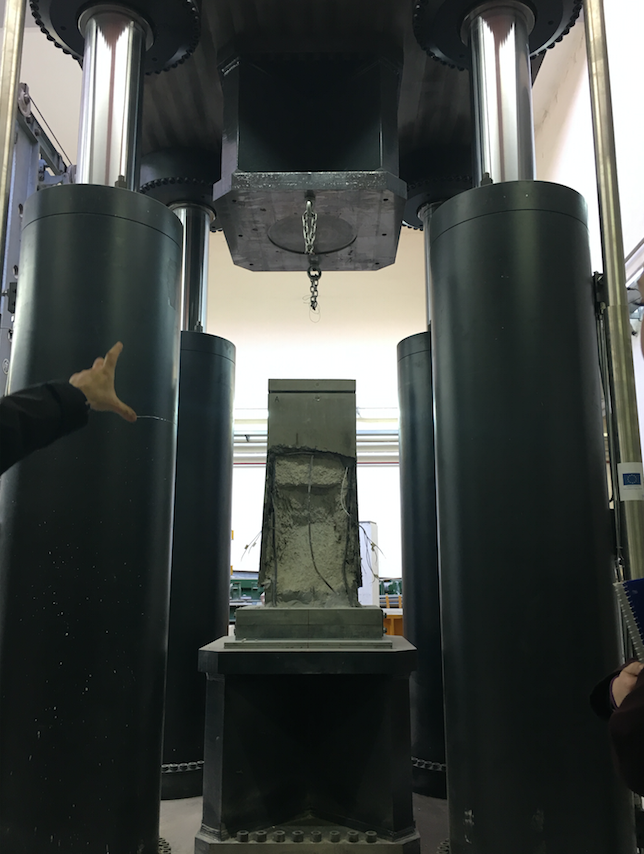
The largest hydraulic press in Europe- up to 5,000 tons! The professors reassured us, “We don’t put students in here!”

A masonry wall set up on top of a shake table

Now thats more our size!

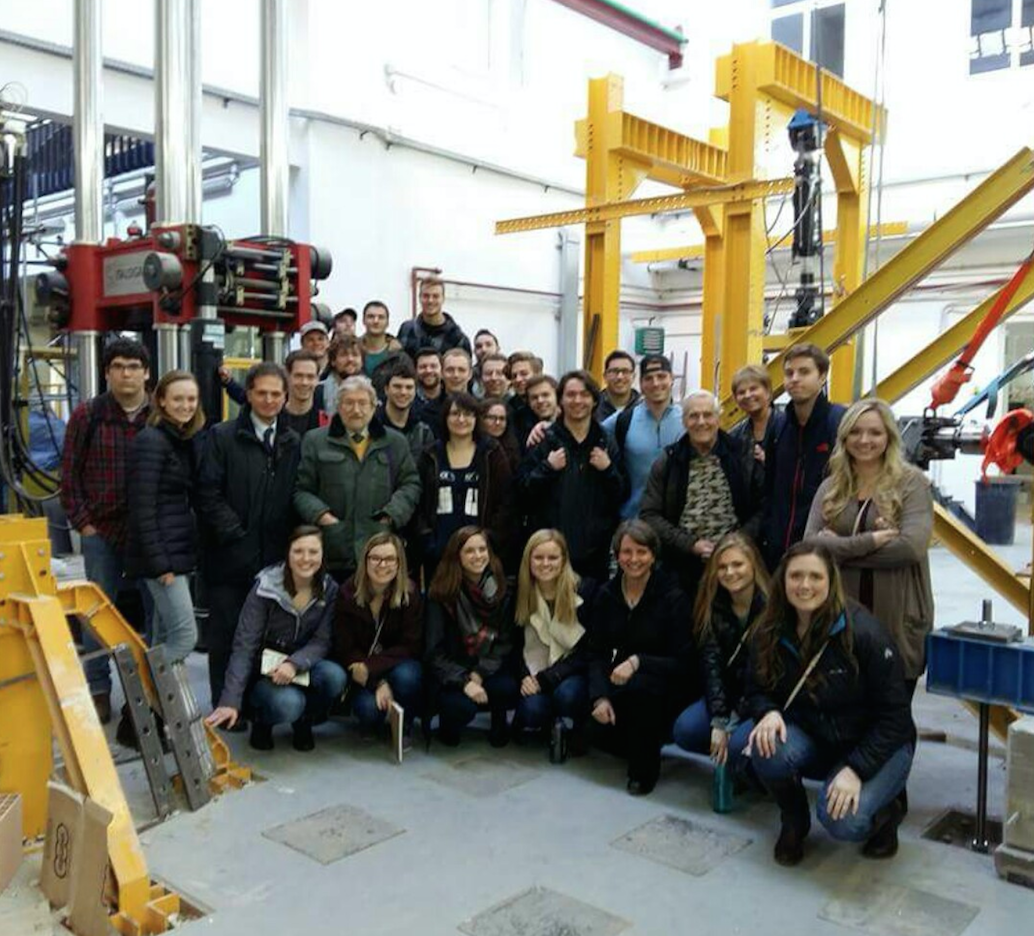
All smiles in the structures lab!

That’s a wrap, Napoli! We enjoyed all 28 hours we had with you! This post is brought to you from Florence, as we arrived this evening around 7:30. Now, we look forward to a good night’s sleep and the beauty of Tuscany when the sun comes up!

Arrivedervi!

Field Trips!

Quite the day in Pompeii!

The day had finally come… Ciao, Roma! Thanks for the thousands of steps, the countless bites of pizza, and the abundance of memories. How crazy to think that we will be heading back home the next time we are in Rome!

This morning we hopped on our first train as a whole class for a short ride to Naples! You could say it was a little hectic maneuvering thirty-one people each with at least two pieces of luggage through the cobblestone streets of Rome and Termini station. The guys quickly learned that the loading and unloading of luggage is much more efficient in an assembly-line fashion.

Along with most of the other girls, I received plenty of jabs about the contents of my bag.

“Jordan, did you pack the colosseum in here?”

“Did you pack all of Rome to take home with you?”

We have some true comedians on this trip, let me tell you.

Once we arrived in Naples we grabbed a quick lunch and met our new tour guide, Michaela, who would be leading us throughout Pompeii for the afternoon.

Pompeii. Where do I even begin? Most of us have been hearing stories about Pompeii since we were in elementary school. It has always fascinated me ever since I was little so you can only imaging how giddy I was as our bus started it’s journey towards Mount Vesuvius.

On our way to Pompeii, Michaela shared with us that we were in for a treat. Apparently, snow rarely covers the peak of Mount Vesuvius. Look at us Minnesotans bringing snow everywhere we go! She continued on to give us a little bit of background information about this ancient city.

It was 79 BCE when Mount Vesuvius erupted, freezing and preserving an ancient culture in a moment in time. The people of Pompeii did not realize Mount Vesuvius was a volcano leaving them completely blindsided when this “mountain” began spewing smoke and ash. Contrary to some literature, the majority of the people were suffocated by ash-filled air and volcanic gases rather than coming in contact with lava.

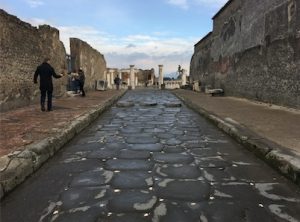
Once we stepped foot in the historical sites of Pompeii, the exploration began! From perfectly preserved clay pottery to bath houses, we spent the afternoon searching the abandoned streets.   The engineering that already existed during this time continues to impress me. There were raised sidewalks on either side of the street paired with a drainage system very similar to ones we see in neighborhoods back home. One of the most innovative aspects was the usage of small fragments of travertine scattered within the cobblestone roads. Travertine is a rock material with reflective qualities allowing it to help show the way when people were using torches and traveling in the dark. There were even raised crossroads to allow pedestrians to cross the street while allowing for animals and carriage wheels to fit in the spaces between stepping stones.

Michaela spent a bit of time explaining the processes of body preservation as we looked at shelves of pottery and two separate glass cases containing the figures of a struggling dog and a small toddler. While archaeologists were excavating they found that the bones remained, but the rest of the body would decay into the ground over the 1700+ years. Due to this, they would pour plaster into the empty spaces where bodies used to lay. These teams of archaeologists were then able to create full skeletons of the bodies. They can even still extract DNA from the bones that they found from so many years ago.

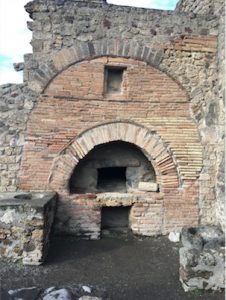
We were able to look around an extremely well-preserved bath house. Like other ones we have seen it had separate rooms for a frigidarium, a tepedarium, and a caladarium, but we were actually able to see some of the traditional decor. As we continued to journey throughout the city, we came across old heating systems and an oven built into the bricks. Please enjoy Chloe’s excitement below:
Just before leaving Pompeii we were able to check out an ancient theater. We found out first hand that the acoustics were incredible. By that I mean that our own Jim Hangge, sang us a bit of Taylor Swift’s You Belong With Me from center stage. It truly was impressive how much sound carried in such a large open space. We must have been at least 22 steep rows up from the stage and could hear surprisingly well! Click here to view it for yourself!

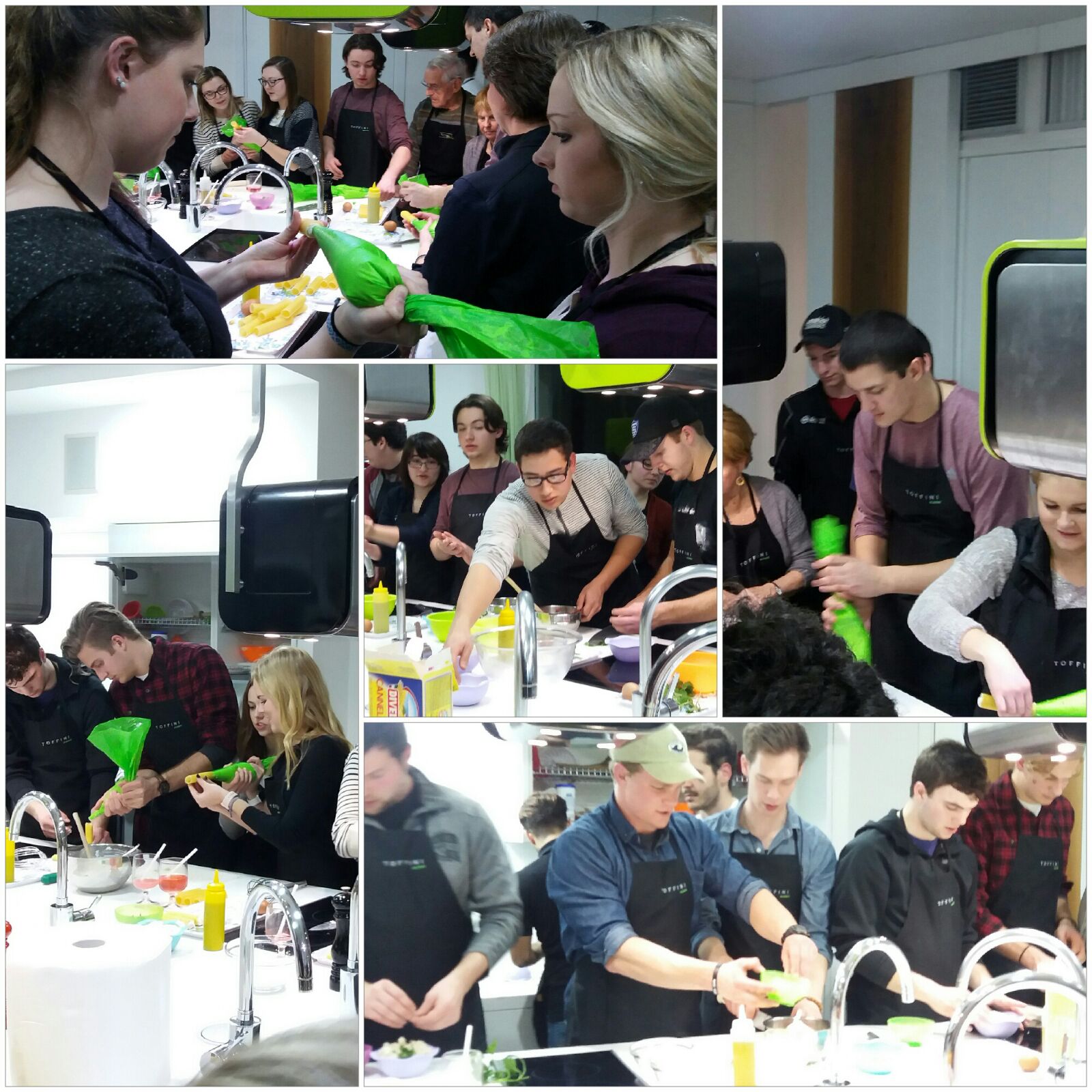
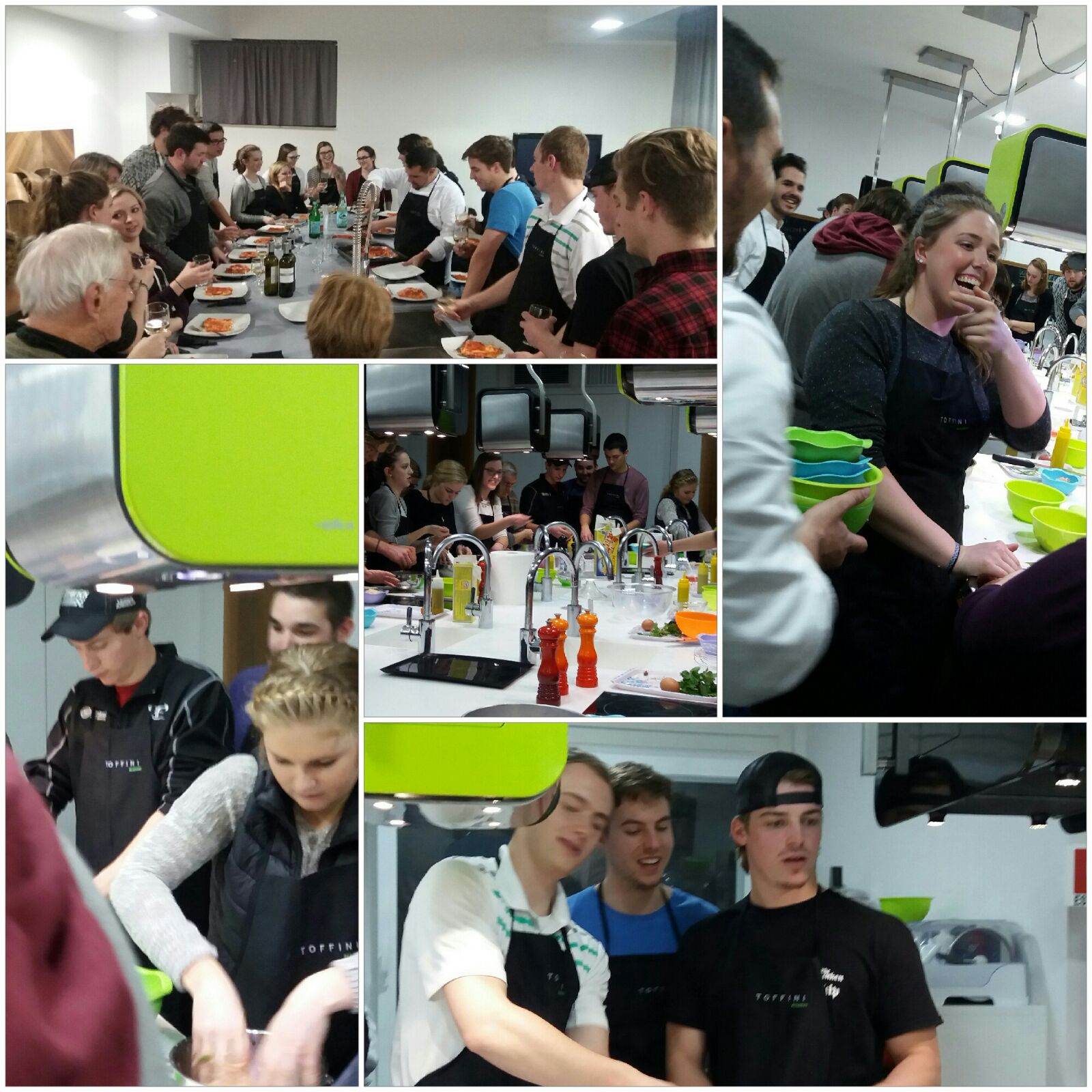
Once our time in Pompeii came to an end we drove to the hotel to settle in. We then took a little trip out into the city of Naples to explore and shop around. We passed many street vendors with fun little trinkets and many restaurants with very alluring dishes. Instead of stopping for dinner during our little adventure, we drove to Toffini Academy and had the opportunity to take cooking lessons as a class. It was such a blast! In groups of two or three, we engineers decked out in aprons whipped up a delicious meal of basil-ricotta filled cannelloni and handmade meatballs baked in a decadent ragu sauce. What a treat! It was so fun to see everybody sharing meal that we all had a part in creating!