Ciao!
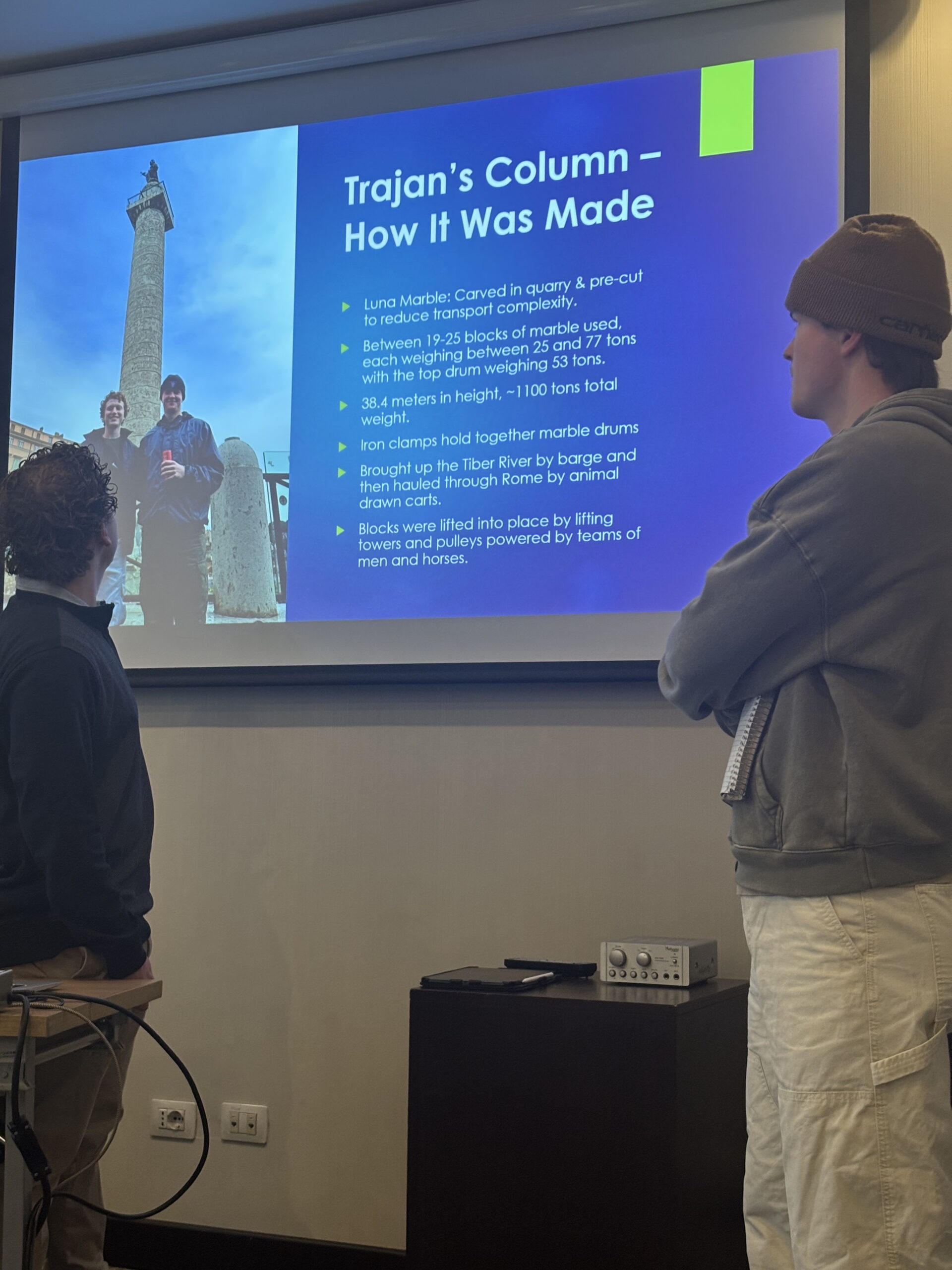
Today our class spent the day exploring some ancient infrastructure in Rome. We started our day in the classroom, then took a bus to the Appian Way, Aqueduct Park, and finished our day at the Vatican Scavi.
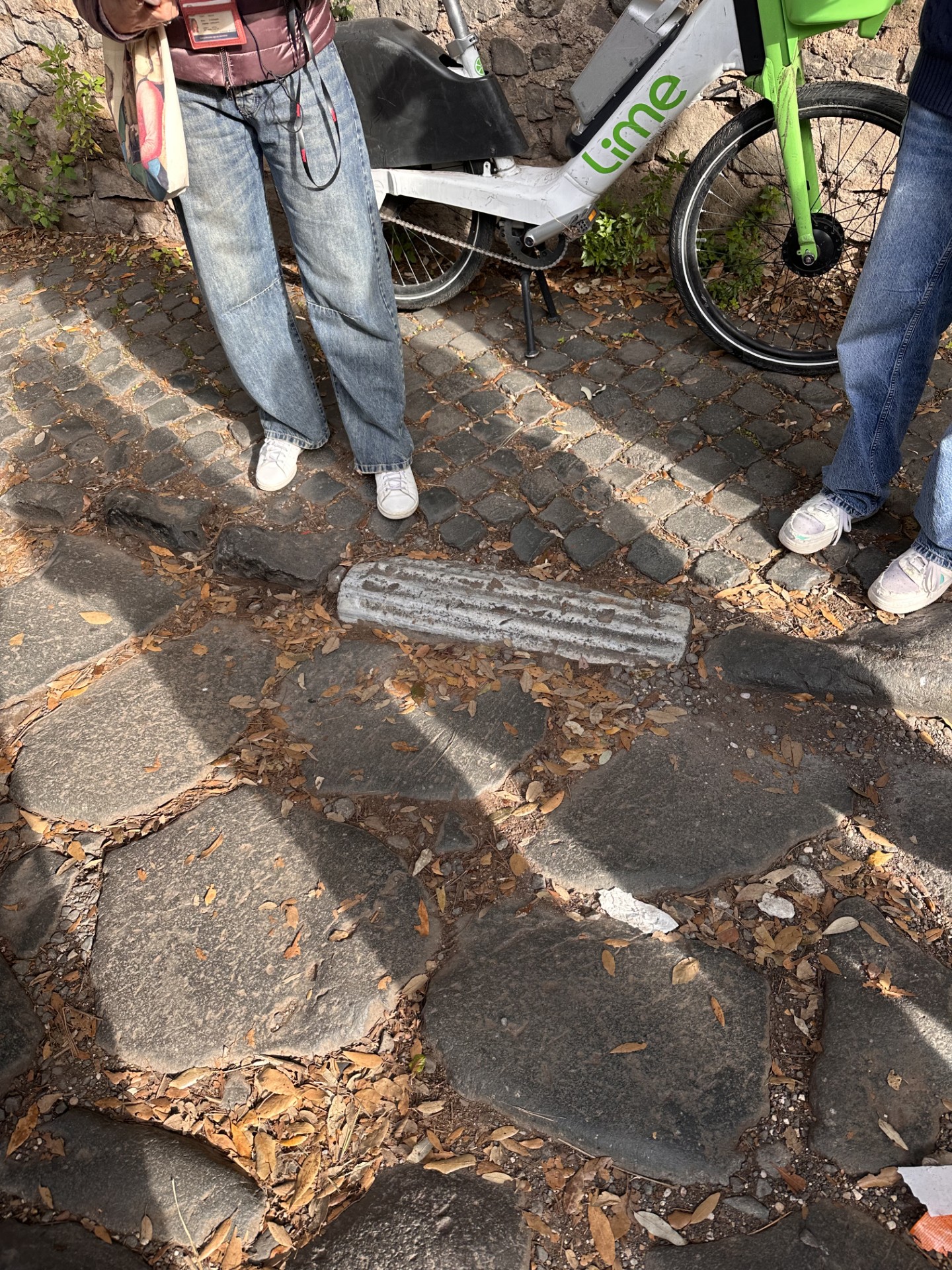
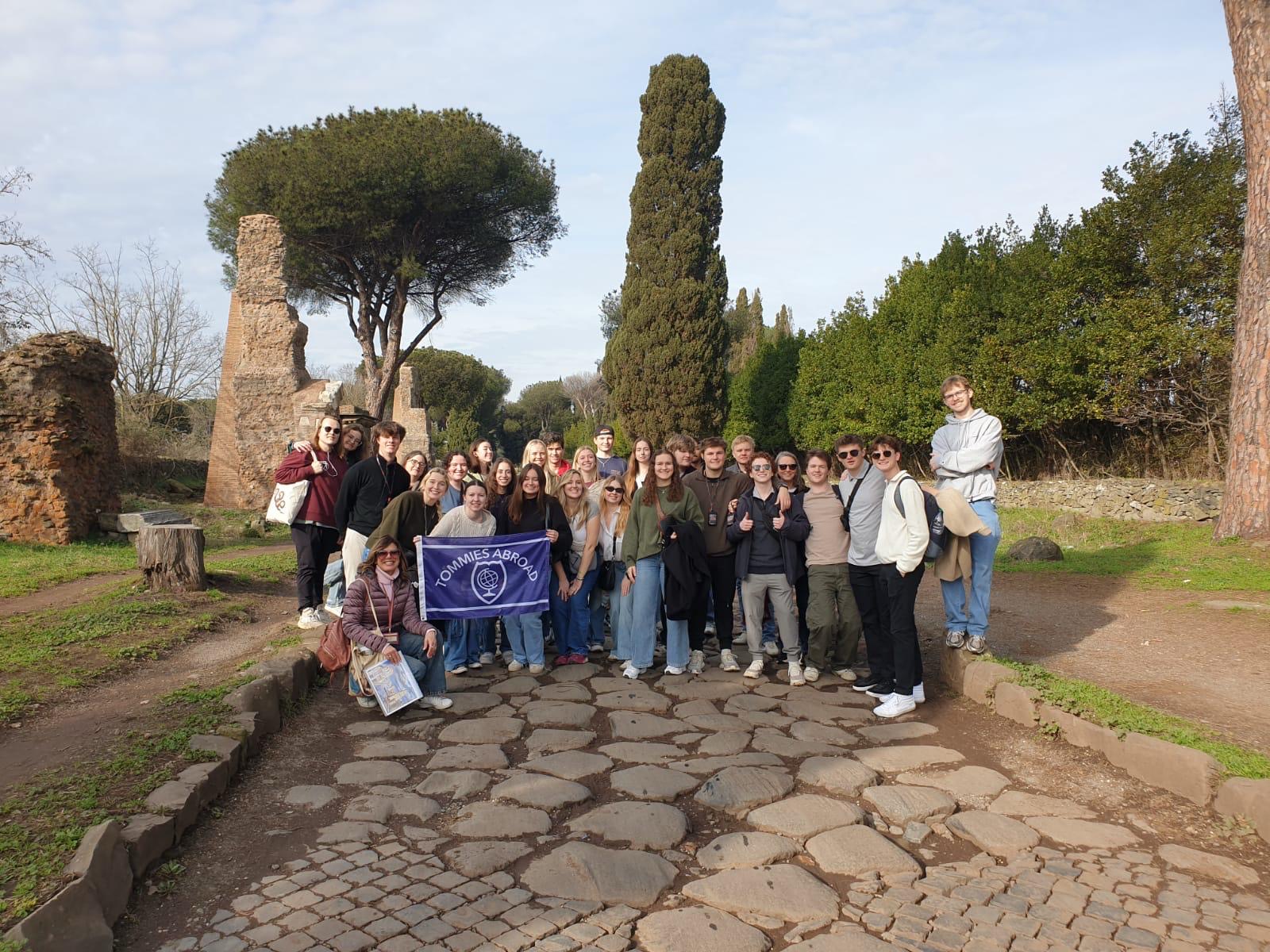
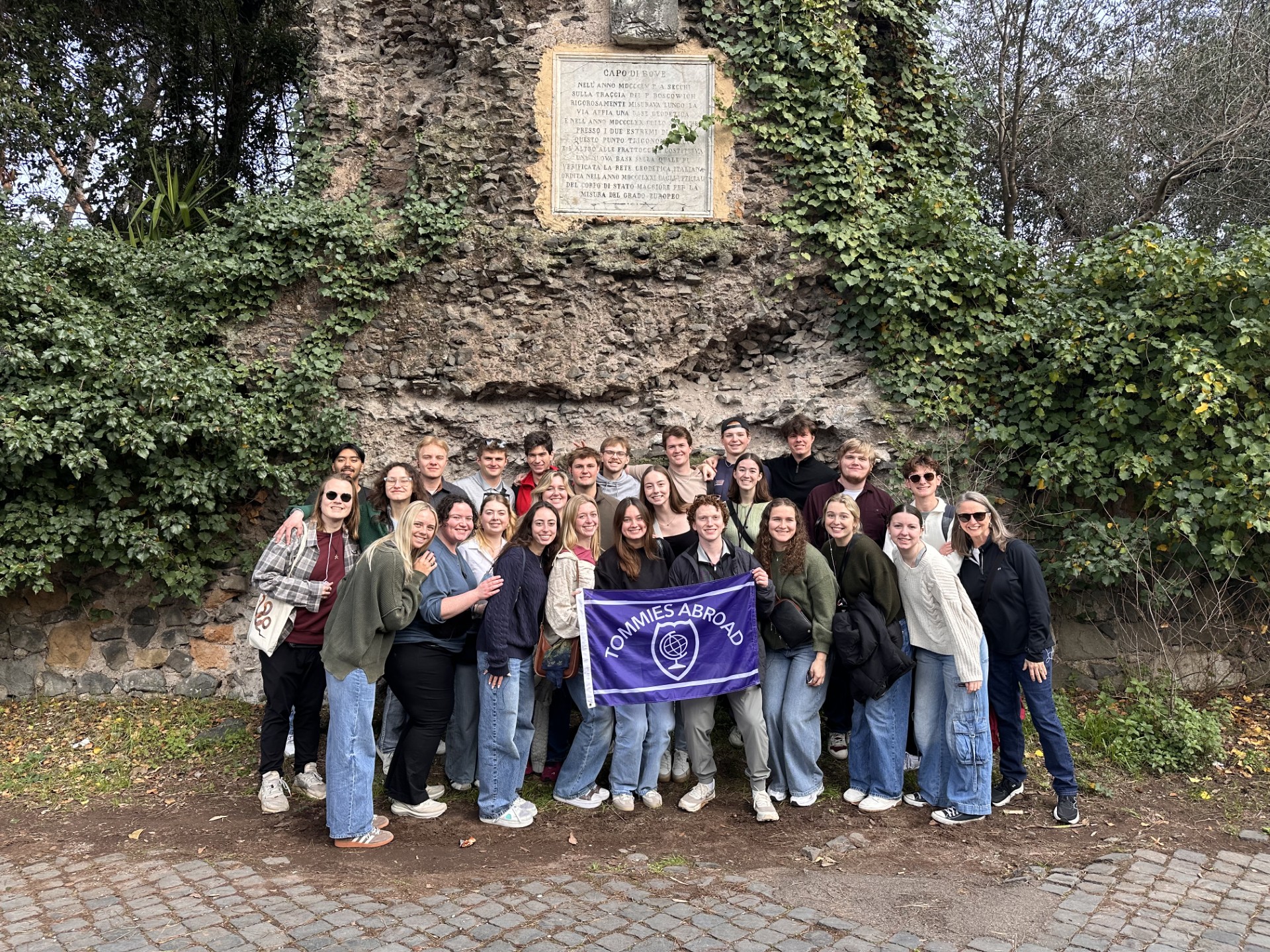
The first stop of our day was the Appian Way, one of the oldest and most important roads in the Roman Empire. It originally connected Rome to Brindisi, spanning approximately 350 miles. The road was crucial for military and economic purposes, facilitating the movement of troops and trade throughout the Roman Empire. Our tour guide, Alessandra, said the Appian Way was the Route 66 of ancient Rome! The road has lasted for centuries due to the careful layering of the 5 layers and the large stones on top that were designed to handle traffic and weather.
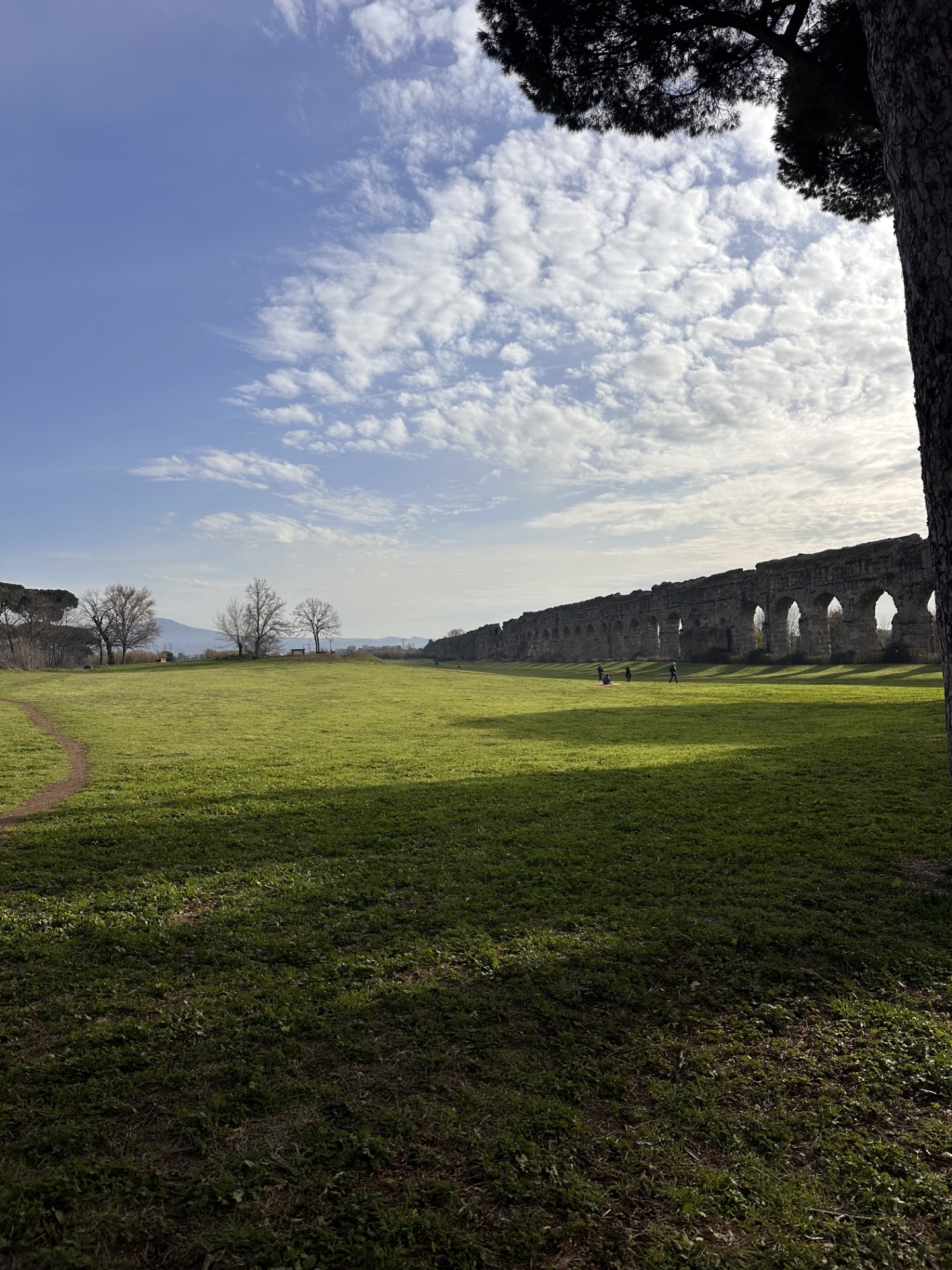
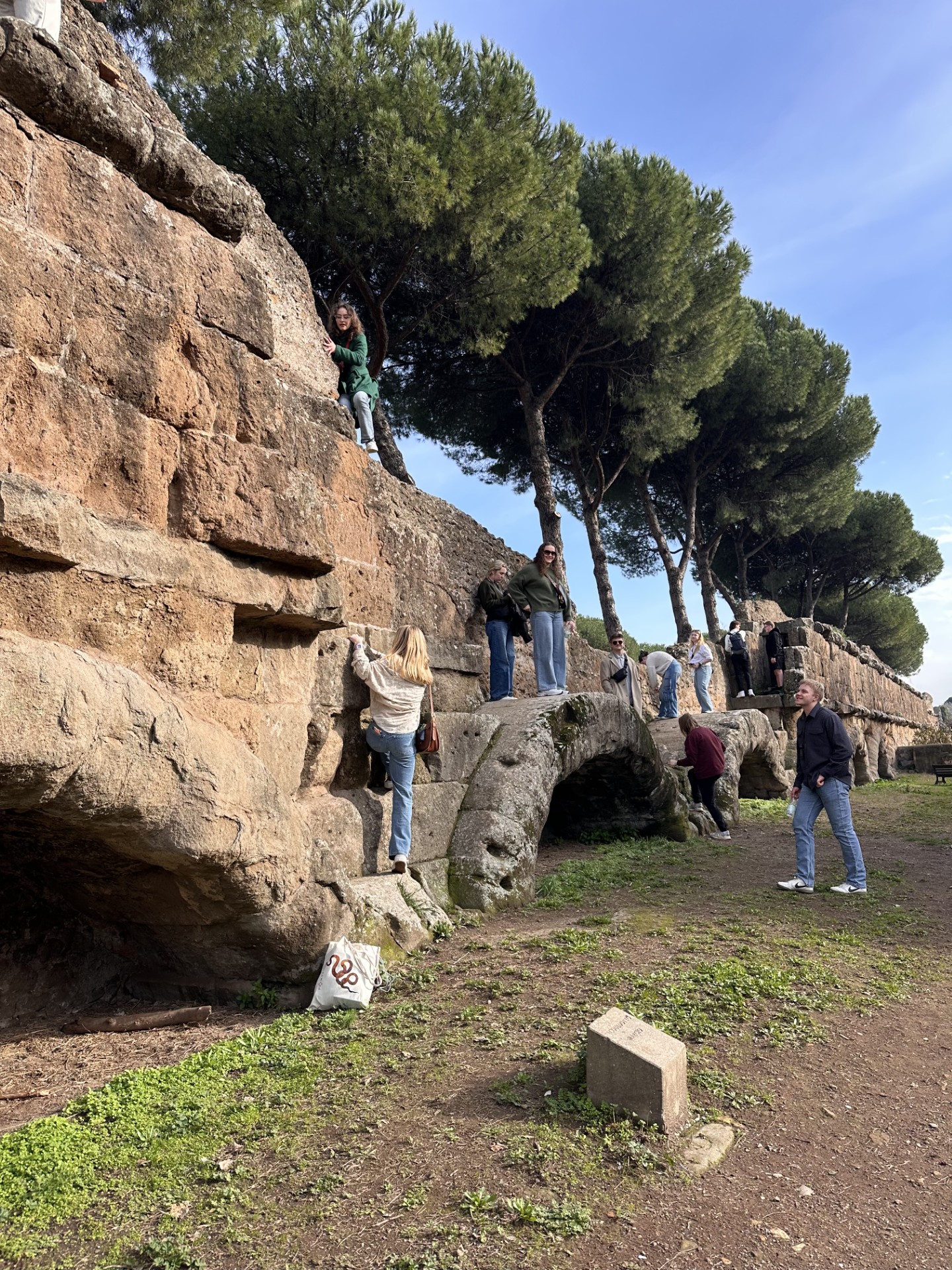
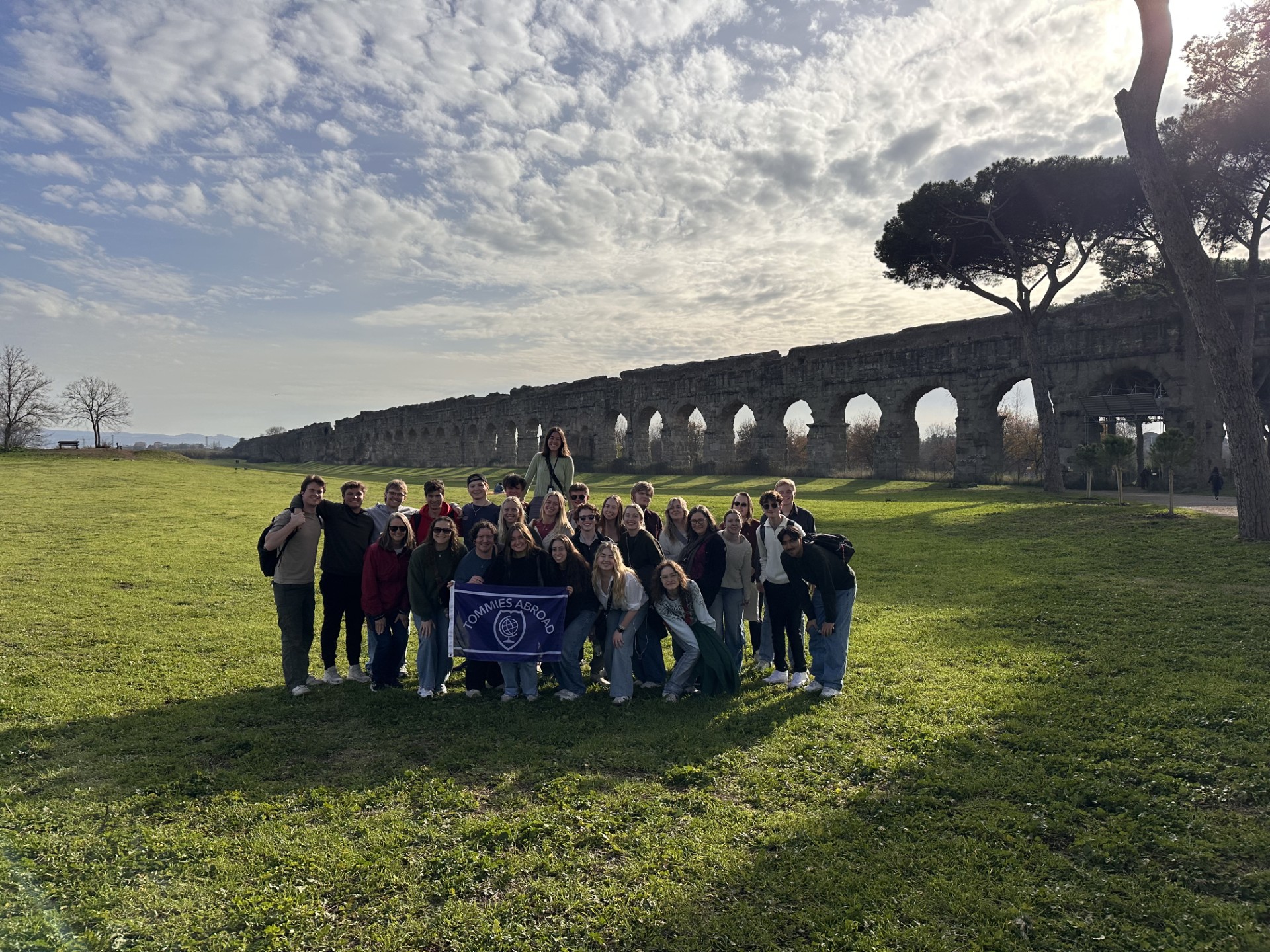
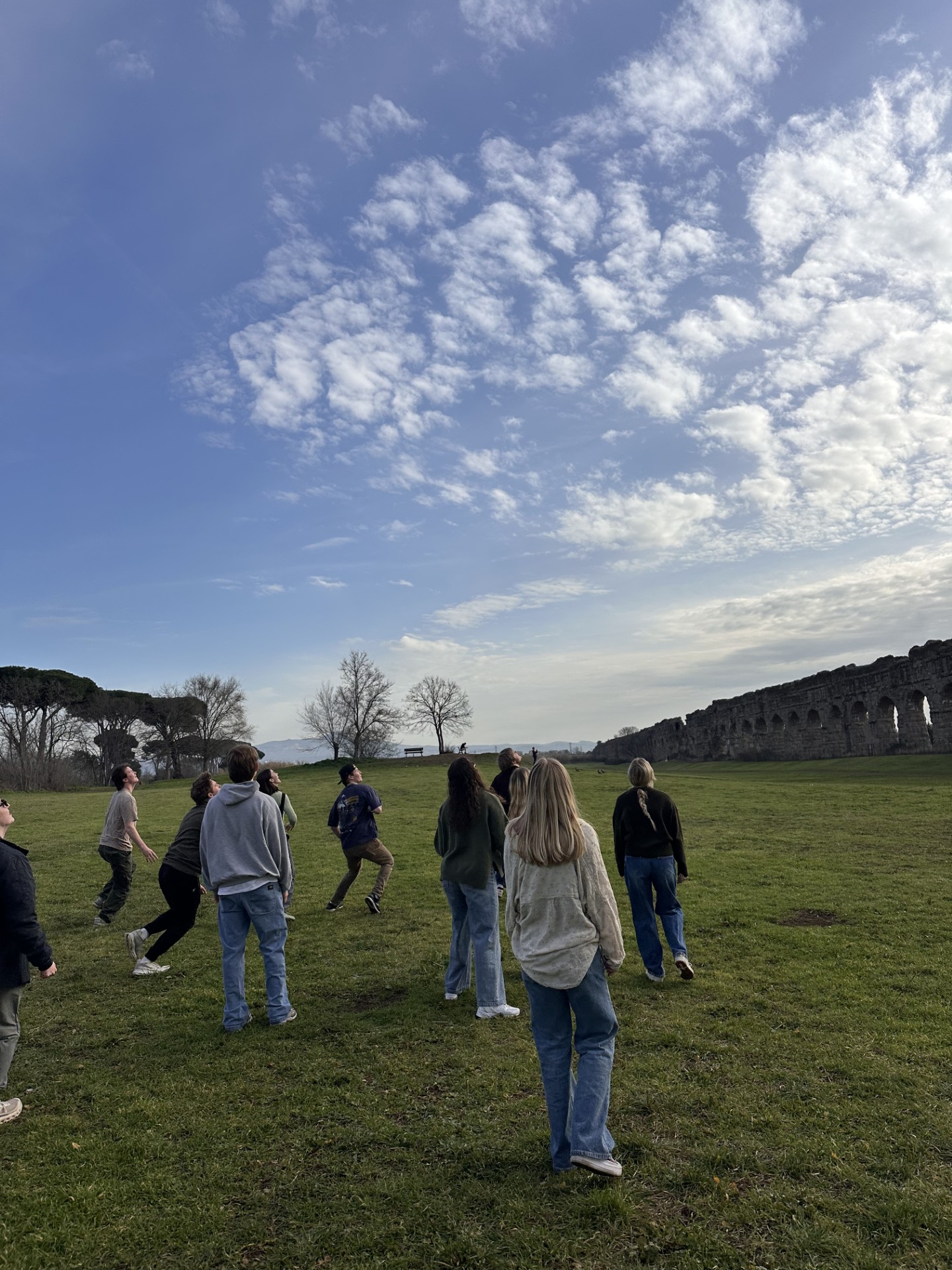
Next, we visited Aqueduct Park, where massive stone arches stretch across the landscape. These structures relied entirely on gravity and precise elevation changes to transport water over long distances. Here we found a tennis ball, and a group of us used it to enjoy a game of 500 while waiting to move onto our next stop!
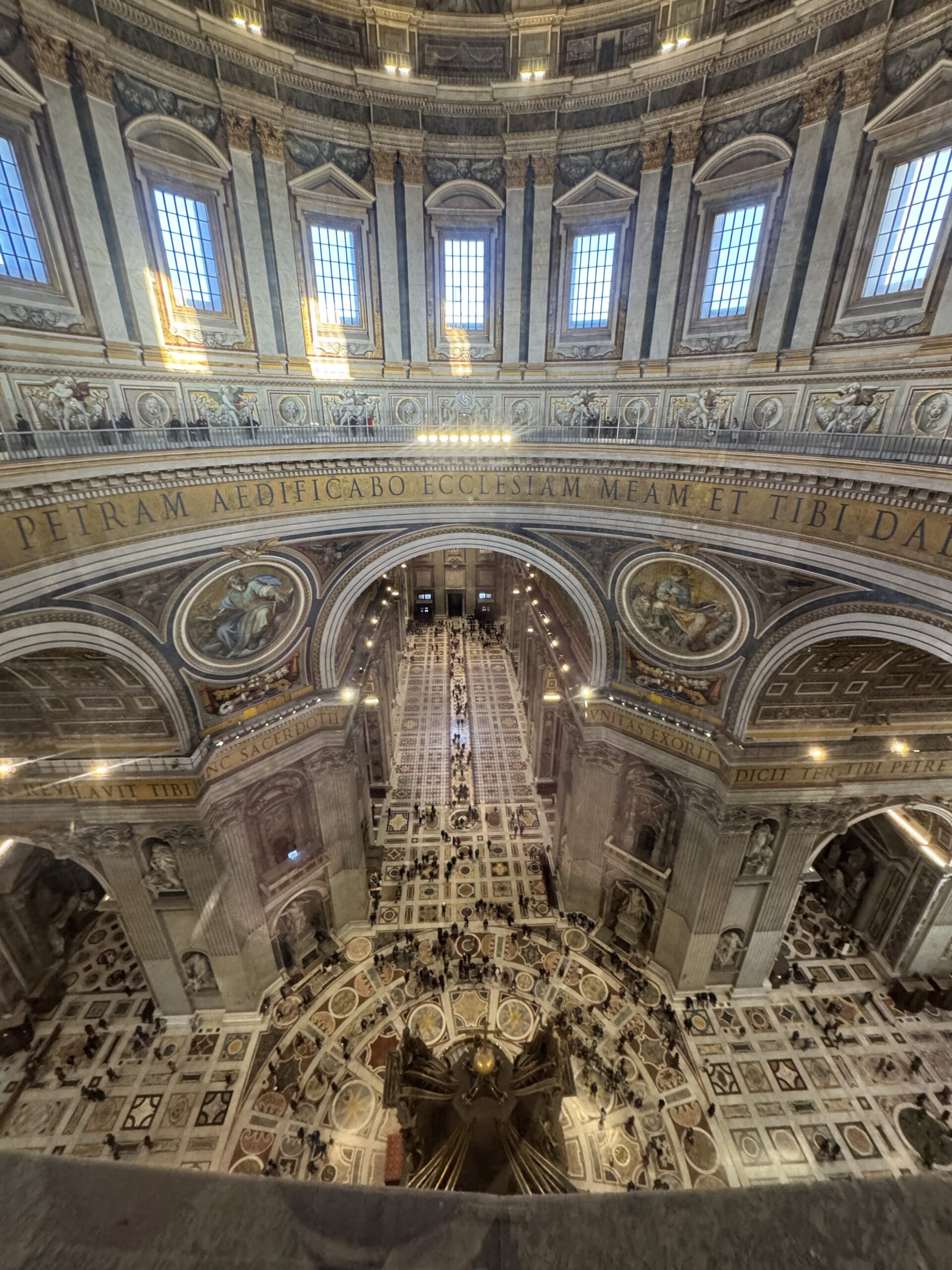
Our final stop of the day took us below St. Peter’s Basilica into the Scavi. The Scavi is an ancient burial site including both pagan and Christian burial grounds. The Scavi contains the tomb of St. Peter, and has been excavated since the 1930s, revealing parts of the necropolis that date back to the Roman Empire. The Scavi highlights the layered history beneath the Basilica, showing how religious spaces were built and preserved across generations. Unfortunately, pictures are not allowed in the Scavi!